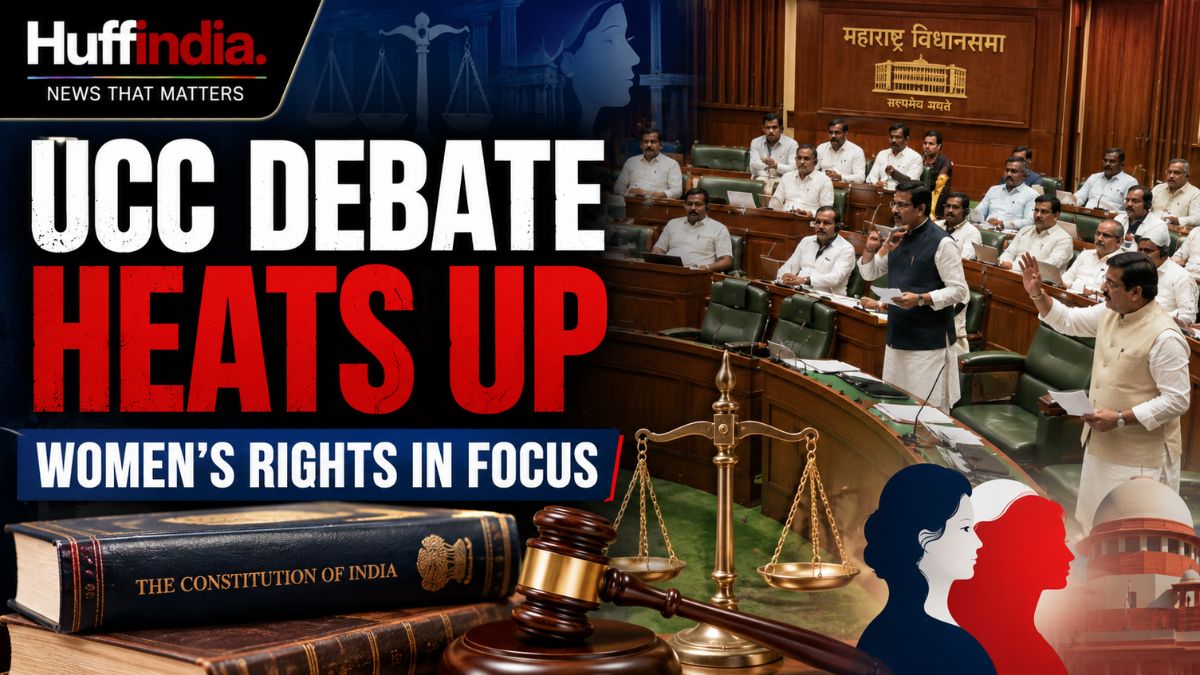



Maharashtra Uniform Civil Code discussions took center stage during a recent Assembly debate, where lawmakers examined issues related to triple talaq, polygamy, and women’s rights. The debate comes as Maharashtra continues exploring the possibility of implementing a Uniform Civil Code (UCC), joining a broader national conversation on legal reforms affecting personal laws.
According to information presented during the discussion, authorities reported dozens of verified complaints related to practices under scrutiny, while legal action has reportedly been initiated against multiple accused individuals. The developments have reignited debate about gender justice, legal equality, and the future of personal law reforms in India.
The issue remains politically and socially significant as several states continue evaluating similar legislative frameworks.
Maharashtra Uniform Civil Code Discussion Gains Momentum
The Maharashtra Uniform Civil Code debate reflects growing interest in creating a common legal framework governing matters such as marriage, divorce, inheritance, and adoption.
Supporters argue that a Uniform Civil Code could help ensure equal legal treatment for all citizens regardless of religion or community.
During Assembly discussions, lawmakers examined existing legal mechanisms and debated whether further reforms are necessary to strengthen protections for women and vulnerable groups.
The conversation focused heavily on balancing constitutional principles, social realities, and legal rights.
Triple Talaq and Polygamy Remain Key Discussion Points
A major aspect of the Maharashtra Uniform Civil Code debate involved concerns surrounding triple talaq and polygamy.
Triple talaq, which allowed instant divorce through a specific verbal declaration, has already been addressed through national legislation. However, lawmakers discussed broader concerns related to implementation, legal awareness, and women’s access to justice.
Polygamy also emerged as a key topic, with some legislators arguing that uniform legal standards could provide greater clarity and consistency.
The debate highlighted differing viewpoints regarding how personal laws should evolve in a modern constitutional framework.
Women’s Rights at the Centre of the Debate
The Maharashtra Uniform Civil Code discussion placed significant emphasis on women’s rights and legal protections.
Advocates of reform argue that legal uniformity could strengthen:
- Gender equality
- Legal certainty
- Access to justice
- Property rights
- Marital protections
Many lawmakers stressed that any future reforms should prioritize the welfare, dignity, and security of women.
Women’s rights organizations have long argued that legal safeguards should be strengthened across all communities.
Government Data Presented During Assembly Discussion
During the Maharashtra Uniform Civil Code debate, government representatives reportedly cited complaint data related to the issues under discussion.
According to information shared in the Assembly:
- Verified complaints were recorded
- Investigations were conducted
- Legal proceedings were initiated in relevant cases
- Enforcement agencies took action where required
Officials emphasized that legal remedies are available under existing laws and that authorities remain committed to protecting affected individuals.
Why Uniform Civil Code Remains a National Issue
The Maharashtra Uniform Civil Code discussion forms part of a larger national conversation.
The concept of a Uniform Civil Code has been debated for decades and is mentioned in Article 44 of the Indian Constitution’s Directive Principles of State Policy.
Supporters often argue that a common civil code would:
- Promote equality before the law
- Simplify legal processes
- Reduce legal inconsistencies
- Strengthen constitutional values
Critics, however, have expressed concerns about cultural diversity, community traditions, and implementation challenges.
Other States Also Exploring Similar Measures
The Maharashtra Uniform Civil Code initiative is not taking place in isolation.
Several states have either studied or discussed similar legal frameworks in recent years.
As state governments examine possible models, policymakers are evaluating legal, social, and administrative implications before moving forward with any proposals.
The experiences of different states may influence future policy decisions at both state and national levels.
Also Read | What Men Want From Their Wives: 5 Powerful Things Husbands Secretly Wish For
Legal Experts Call for Wider Consultation
Legal scholars following the Maharashtra Uniform Civil Code debate have highlighted the importance of extensive public consultation.
Experts suggest that any significant legal reform should involve:
- Constitutional experts
- Women’s groups
- Religious scholars
- Civil society organizations
- Legal practitioners
Broader engagement could help ensure that reforms address practical concerns while maintaining constitutional safeguards.
Political and Social Implications
The Maharashtra Uniform Civil Code debate is expected to remain an important political issue in the coming months.
Questions surrounding legal reform often generate strong public interest because they touch upon:
- Personal rights
- Family law
- Religious practices
- Social justice
- Constitutional principles
As discussions continue, policymakers will likely face the challenge of balancing competing viewpoints while pursuing legal clarity and equality.
What Happens Next?
The future of the Maharashtra Uniform Civil Code proposal will depend on further consultations, legal reviews, and political discussions.
Observers will closely watch for:
- Committee recommendations
- Legislative proposals
- Government announcements
- Public consultations
- Judicial perspectives
Any future policy decisions are expected to have significant implications for legal reform debates across India.
For official updates on legal reforms and legislative initiatives, readers can visit the Department of Legal Affairs website.
Final Thoughts on Maharashtra Uniform Civil Code
The Maharashtra Uniform Civil Code debate has brought issues such as triple talaq, polygamy, and women’s rights back into the spotlight. While opinions remain divided, the discussion reflects broader questions about legal equality, social justice, and constitutional values in India.
As Maharashtra continues evaluating possible reforms, the focus is likely to remain on balancing individual rights, community concerns, and the goal of ensuring equal legal protections for all citizens.