


Iran Strait of Hormuz Crisis entered a new phase after reports of explosions in several southern Iranian towns and islands, while tensions between Tehran and Washington continued to intensify. The developments come amid growing concerns about regional stability, global energy supplies, and the future of diplomatic efforts between the two countries.
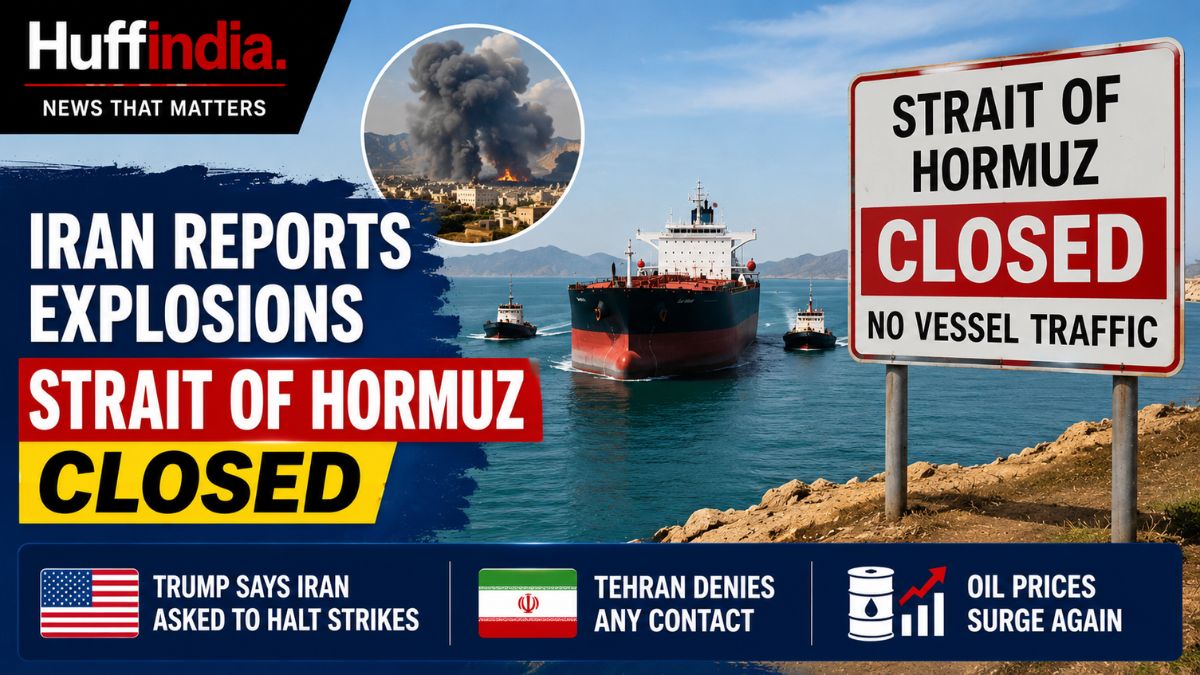
Iranian authorities reported explosions and increased military activity in strategic areas near the Persian Gulf, including locations close to the Strait of Hormuz. Meanwhile, Iran announced restrictions on vessel traffic through the crucial maritime route following recent military exchanges with the United States. Reports indicate that Tehran warned ships against using the waterway, one of the world’s most important energy corridors.
The situation has drawn global attention because of the Strait of Hormuz’s role in international oil transportation and regional security.
Iran Strait of Hormuz Crisis Escalates
The latest Iran Strait of Hormuz Crisis developments followed reports of fresh military activity and explosions in southern Iran.
International media outlets reported explosions and anti-aircraft activity in locations including Bandar Abbas and nearby strategic areas. The incidents occurred amid continuing military tensions between Iran and the United States.
Iran’s military leadership subsequently announced restrictions affecting vessel movement through the Strait of Hormuz, warning that ships attempting passage could face military action.
The announcement immediately triggered concerns among energy traders, shipping companies, and governments worldwide.
Why the Strait of Hormuz Matters
The Iran Strait of Hormuz Crisis is attracting global attention because of the strategic importance of the waterway.
The Strait of Hormuz serves as one of the world’s most critical shipping routes for crude oil and energy exports. A significant portion of global oil trade passes through the narrow passage connecting the Persian Gulf to international markets.
Any disruption to shipping activity in the region has the potential to affect fuel prices, energy security, and global supply chains.
Market analysts warn that prolonged uncertainty could increase volatility in oil markets and raise transportation costs worldwide.
Trump Says He Wants Peace, Tehran Rejects Claims of Contact
The diplomatic narrative surrounding the Iran Strait of Hormuz Crisis has become increasingly complicated.
U.S. President Donald Trump has publicly stated that he remains interested in achieving peace and securing an agreement with Tehran. However, he has simultaneously defended military actions against Iranian targets as necessary responses to security threats.
Trump also suggested that Iran had sought discussions regarding a halt in military action. Iranian officials have denied those claims and maintain that no such contact took place.
The conflicting statements highlight the widening gap between public messaging and diplomatic realities.
US-Iran Tensions Continue to Rise
The broader Iran Strait of Hormuz Crisis reflects months of escalating tensions between the two countries.
Recent military exchanges have included airstrikes, missile launches, drone attacks, and maritime security incidents across the Gulf region. Both sides have accused each other of provoking instability while defending their own actions as necessary measures.
The United States has described its operations as defensive, while Iran argues that foreign military actions violate its sovereignty.
As a result, the possibility of miscalculation remains a major concern for international observers.
Impact on Global Oil Markets
Energy markets reacted quickly to the latest developments.
The Iran Strait of Hormuz Crisis contributed to renewed concerns about supply disruptions, pushing oil prices higher as traders assessed potential risks to global energy flows. Reports indicate that crude oil prices rose after Iran’s announcement regarding vessel traffic restrictions.
Countries heavily dependent on imported energy are closely monitoring developments, particularly those in Asia and Europe that rely on Gulf exports.
Analysts note that even temporary disruptions can have a noticeable impact on commodity markets.
Shipping and Maritime Concerns
The maritime industry is among the sectors most directly affected by the crisis.
Although Iran announced restrictions and threats against vessel traffic, U.S. military officials stated that commercial ships continue to operate in and out of the region.
Shipping companies are nevertheless evaluating risks, insurance costs, and potential route adjustments as the situation evolves.
The uncertainty surrounding maritime security remains one of the most closely watched aspects of the Iran Strait of Hormuz Crisis.
Diplomatic Efforts Face New Challenges
Despite the escalating rhetoric and military exchanges, diplomatic channels have not completely disappeared.
Regional mediators and international stakeholders continue exploring possibilities for de-escalation. However, repeated military incidents have made negotiations increasingly difficult.
Experts suggest that restoring trust between the two sides may prove challenging while active military operations continue.
The coming days could be critical in determining whether diplomacy gains momentum or tensions continue to intensify.
For updates on international shipping routes and maritime security developments, readers can visit the International Maritime Organization (IMO) website.
Final Thoughts on the Iran Strait of Hormuz Crisis
The Iran Strait of Hormuz Crisis has emerged as one of the most significant geopolitical developments of the year. Reports of explosions in southern Iran, restrictions on shipping through the Strait of Hormuz, and continued exchanges between Tehran and Washington have increased concerns about regional stability and global economic consequences.
While leaders on both sides continue to discuss peace and security, ongoing military actions have complicated diplomatic efforts. With energy markets, shipping companies, and governments closely monitoring events, the situation remains fluid and highly consequential for the wider international community.
Also Read: Modi Trump Meeting Expected at G7 Summit 2026 Amid Key Global Challenges