



Worst Breakfast Foods may be more common in your kitchen than you think. While breakfast is often called the most important meal of the day, not every morning meal supports good health. Some popular breakfast choices can lead to energy crashes, increased hunger, poor digestion, and even long-term health concerns when consumed regularly.
Nutrition experts emphasize that a healthy breakfast should provide a balance of protein, fiber, healthy fats, and essential nutrients. However, many commonly consumed breakfast foods are loaded with added sugars, refined carbohydrates, and unhealthy fats.
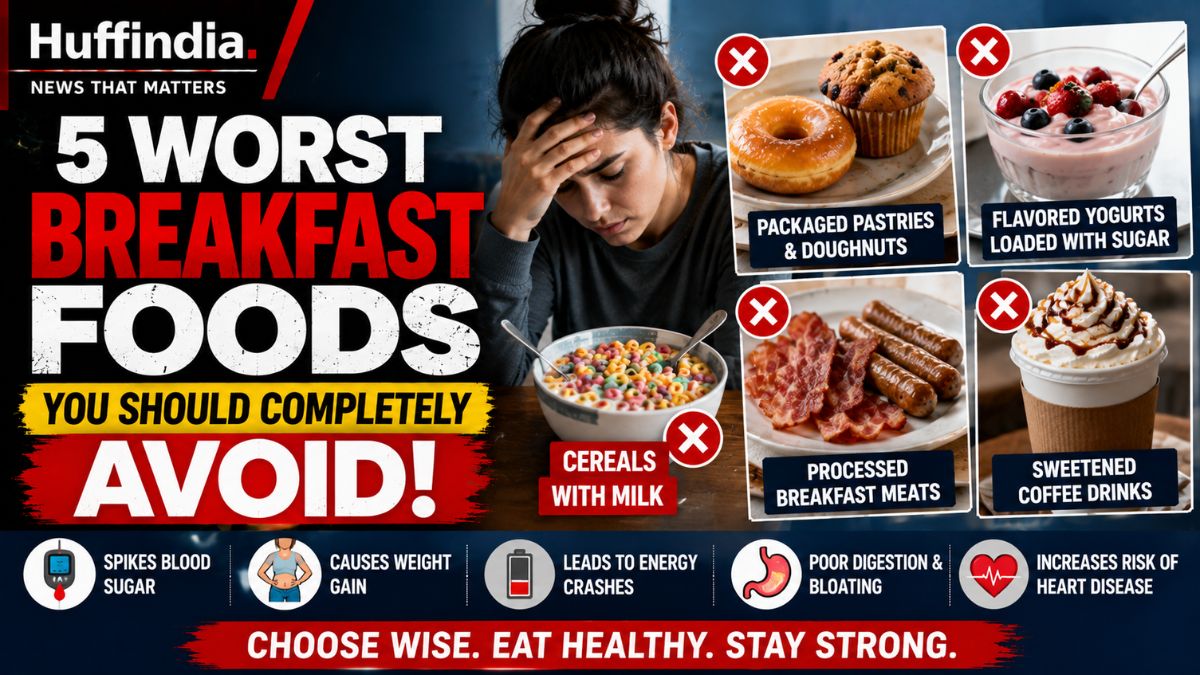
Here are five of the worst breakfast foods that experts suggest limiting or avoiding altogether.
Why Choosing the Right Breakfast Matters
Before discussing the worst breakfast foods, it’s important to understand why breakfast quality matters.
The first meal of the day helps regulate blood sugar levels, supports concentration, fuels physical activity, and influences hunger throughout the day. A nutrient-rich breakfast can improve satiety and reduce the likelihood of overeating later.
Conversely, poor breakfast choices may leave you feeling tired, hungry, and less productive within a few hours.
1. Sugary Breakfast Cereals with Milk
One of the most common unhealthy breakfast foods is sugary breakfast cereal served with milk.
Many commercially marketed cereals appear healthy due to added vitamins and minerals, but they often contain large amounts of refined sugar and processed grains. While milk adds protein and calcium, it does not fully offset the effects of excessive sugar intake.
These cereals can cause rapid spikes in blood sugar followed by sudden energy crashes, leaving you hungry again soon after eating.
When choosing cereals, nutritionists recommend looking for high-fiber, low-sugar options made with whole grains.
2. Packaged Pastries and Doughnuts
Doughnuts, sweet buns, and packaged breakfast pastries may taste convenient, but they rank among the worst foods for breakfast.
These products are typically high in refined flour, added sugar, and unhealthy fats while offering very little nutritional value. They provide quick energy but rarely keep you full for long.
Frequent consumption may contribute to weight gain, blood sugar fluctuations, and poor dietary quality over time.
3. Flavored Yogurts Loaded with Sugar
Many people assume yogurt is always healthy, but flavored varieties can be surprisingly high in added sugars.
Some single-serving flavored yogurts contain sugar levels comparable to desserts. While yogurt itself offers beneficial probiotics and protein, excessive sugar can reduce its overall nutritional value.
Experts recommend choosing plain yogurt and adding fresh fruit, nuts, or seeds for natural sweetness and additional nutrients.
4. Processed Breakfast Meats
Processed breakfast meats such as sausages, bacon, and certain packaged meat products are often high in sodium, saturated fat, and preservatives.
While they can provide protein, regular consumption of heavily processed meats has been linked to several health concerns.
Nutritionists generally suggest limiting processed meats and opting for healthier protein sources such as eggs, Greek yogurt, nuts, seeds, or legumes.
5. Sweetened Coffee Drinks
Many specialty coffee beverages contain significant amounts of sugar, flavored syrups, whipped cream, and calories.
A large sweetened coffee drink may contain more sugar than a soft drink while offering little nutritional benefit. Consuming such beverages as a breakfast replacement can result in inadequate nutrition and unstable energy levels.
Choosing black coffee, unsweetened coffee, or coffee with minimal added sugar can be a healthier alternative.
Worst Breakfast Foods and Their Impact on Health
Regular consumption of the worst breakfast foods may affect more than just morning energy levels.
Diets high in added sugar and refined carbohydrates can contribute to increased hunger, poor blood sugar control, weight gain, and reduced overall diet quality. Highly processed foods also tend to be lower in fiber and essential nutrients needed for long-term health.
For evidence-based nutrition guidance, readers can visit the Harvard T.H. Chan School of Public Health Nutrition Source.
Healthier Breakfast Alternatives
Instead of relying on breakfast foods to avoid, experts recommend building meals around nutrient-dense ingredients.
Some healthier options include:
- Oatmeal topped with nuts and berries
- Eggs with whole-grain toast
- Greek yogurt with fruit and seeds
- Smoothies made with vegetables and protein-rich ingredients
- Whole-grain avocado toast
- Fresh fruit paired with nuts
These meals provide a better balance of protein, fiber, healthy fats, and essential nutrients.
Common Breakfast Mistakes People Make
Many people unintentionally choose convenience over nutrition during busy mornings.
Skipping protein, relying heavily on sugar, consuming ultra-processed foods, and replacing meals with sugary beverages are among the most common breakfast mistakes.
Experts suggest preparing simple, balanced breakfast options in advance to support healthier eating habits.
Final Thoughts on the Worst Breakfast Foods
The Worst Breakfast Foods are often the ones marketed as quick, convenient, and tasty. Sugary cereals with milk, pastries, flavored yogurts, processed meats, and sweetened coffee drinks may provide short-term satisfaction but often fail to deliver lasting nutrition.
Making small improvements to breakfast choices can support better energy levels, digestion, appetite control, and overall health. Rather than focusing on strict dietary rules, nutrition experts encourage choosing whole, minimally processed foods whenever possible.
A healthier breakfast does not need to be complicated. By replacing highly processed options with nutrient-rich alternatives, you can start the day with better fuel for both body and mind.
Also Read: 6 Best Ways to Eat Fig (Anjeer) for Digestion and Cardiovascular Health