
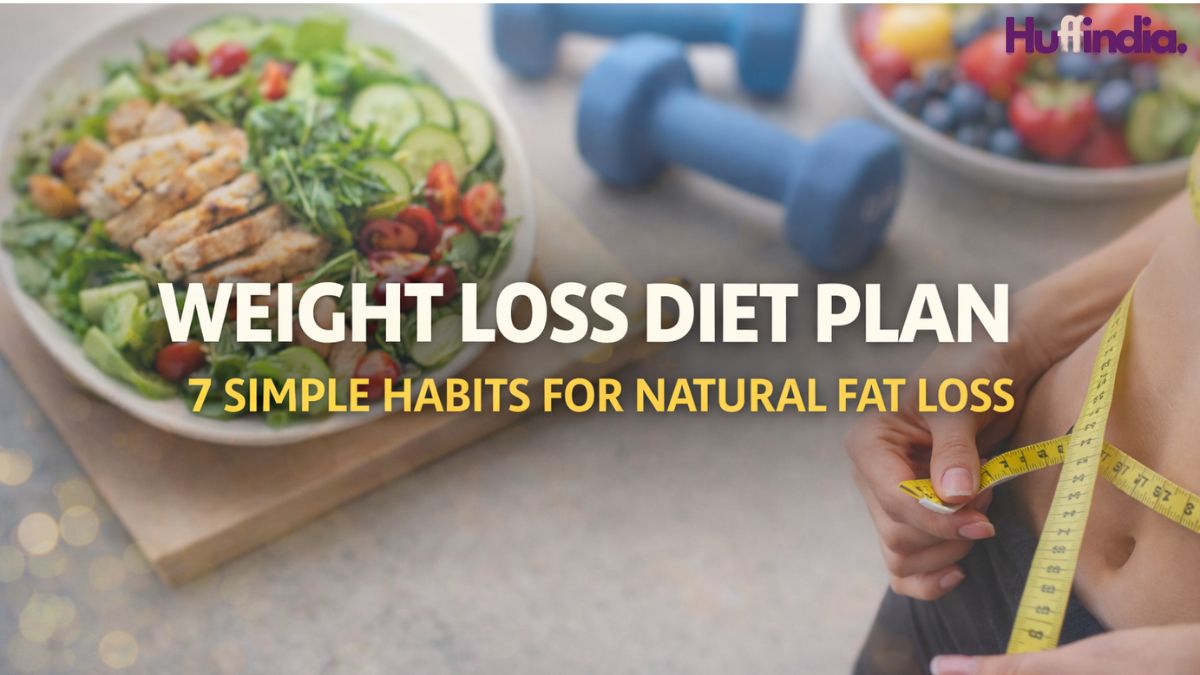



Weight Loss Diet Plan remains one of the most searched health topics in India today as more people look for sustainable and natural ways to reduce body fat without extreme dieting.
Health experts say that successful weight loss does not require crash diets or expensive supplements. Instead, a structured weight loss diet plan built on consistency, portion control and balanced nutrition can deliver long-term results.
Here are 7 practical habits that can help support healthy fat loss naturally.
1. Start Your Day with Protein
Including protein in your breakfast helps control hunger hormones and reduces mid-day cravings. Options such as eggs, paneer, sprouts or Greek yogurt can improve satiety and stabilize blood sugar levels.
A balanced weight loss diet plan should ideally include protein in every meal.
2. Control Portion Sizes
Even healthy food can lead to weight gain if consumed in excess. Practicing portion awareness — using smaller plates, avoiding second servings, and eating slowly — helps regulate calorie intake naturally.
Nutrition experts recommend mindful eating rather than calorie obsession.
3. Increase Fibre Intake
Fibre-rich foods such as vegetables, fruits, whole grains and legumes promote fullness and improve digestion.
Adding fibre is one of the most effective strategies in any weight loss diet plan, as it reduces overeating and supports gut health.
4. Reduce Refined Sugar and Processed Foods
High-sugar beverages, packaged snacks and processed foods can increase calorie intake without providing nutritional value.
Replacing sugary drinks with water, lemon water or buttermilk can significantly reduce daily calorie consumption.
5. Stay Hydrated Throughout the Day
Drinking adequate water supports metabolism and may reduce unnecessary snacking caused by confusion between thirst and hunger.
Experts suggest consuming 2–3 litres of water daily, depending on body weight and climate conditions.
6. Prioritize Strength Training and Walking
A proper weight loss diet plan works best when combined with physical activity. Strength training helps preserve muscle mass while losing fat.
Even brisk walking for 30–40 minutes daily can improve calorie burn and cardiovascular health.
7. Get Proper Sleep
Sleep plays a crucial role in weight regulation. Lack of sleep can increase hunger hormones and cravings for high-calorie foods.
Adults are generally advised to aim for 7–8 hours of quality sleep per night.
Why Sustainable Weight Loss Matters
Crash dieting often leads to short-term weight loss followed by rebound weight gain. A realistic weight loss diet plan focuses on gradual fat reduction while preserving muscle and maintaining energy levels.
According to general health guidelines shared by the World Health Organization (WHO) :
Balanced diets combined with physical activity contribute significantly to maintaining a healthy body weight.
Common Mistakes to Avoid
- Skipping meals
- Eliminating entire food groups
- Following unverified online diet trends
- Over-exercising without proper nutrition
Sustainable progress requires patience and consistency rather than extreme restriction.
Conclusion
A structured weight loss diet plan does not have to be complicated. Small daily habits — including better food choices, regular movement, hydration and adequate sleep — can create long-term health improvements.
Before starting any major dietary changes, individuals with medical conditions should consult healthcare professionals.
With increasing awareness around preventive health in India, sustainable weight management continues to trend among health-conscious individuals.
Related: A Bright Future: Embracing Preventive Healthcare in India
Related: Nipah Virus Outbreak India: Urgent Global Warning as Death Toll Rises
Frequently Asked Questions (FAQs)
1. What is the best weight loss diet plan for beginners?
A balanced weight loss diet plan for beginners includes portion control, high-protein meals, fibre-rich vegetables, reduced refined sugar, and regular physical activity.
2. How fast can I lose weight with a proper diet plan?
Healthy weight loss typically ranges between 0.5 to 1 kg per week. Rapid weight loss is often not sustainable and may lead to muscle loss.
3. Can I lose weight without exercise?
A weight loss diet plan can help reduce weight without exercise, but combining diet with strength training or walking improves fat loss and overall health.
4. Which foods should I avoid in a weight loss diet plan?
Avoid excessive refined sugar, fried foods, sugary drinks, processed snacks, and high-calorie packaged foods.
5. How many meals should I eat daily for weight loss?
Most experts recommend 3 balanced meals with 1–2 healthy snacks depending on calorie requirements and activity levels.