
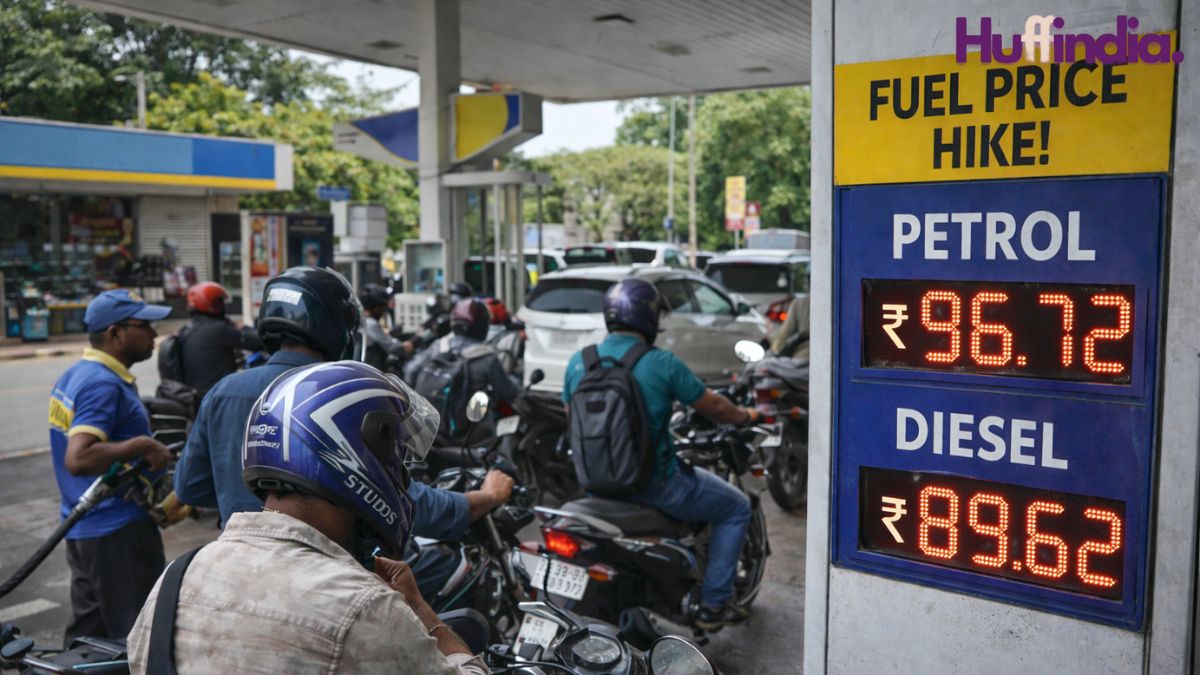



Fuel prices have once again moved upward in several Indian cities, bringing petrol price hike India back into focus on 17 April. The latest revision, though modest, is expected to have a cascading effect on transportation costs and household expenses.
For daily commuters and businesses alike, even a small increase in fuel rates can significantly impact monthly budgets.
What changed in fuel prices?
According to market updates, petrol and diesel prices have seen slight increases across key metros, including Delhi, Mumbai, and Bengaluru. While the hike may appear minor per litre, the overall effect is noticeable over time.
Industry observers say the current petrol price hike India reflects ongoing adjustments linked to global oil prices and currency fluctuations.
Petrol & Diesel Prices in Major Indian Cities (17 April 2026)
| City | Petrol Price (₹/L) | Diesel Price (₹/L) |
|---|---|---|
| Delhi | ₹96.72 | ₹89.62 |
| Mumbai | ₹106.31 | ₹94.27 |
| Bengaluru | ₹101.94 | ₹87.89 |
| Chennai | ₹102.63 | ₹94.24 |
| Kolkata | ₹106.03 | ₹92.76 |
| Hyderabad | ₹109.66 | ₹97.82 |
| Pune | ₹106.45 | ₹92.98 |
| Ahmedabad | ₹96.42 | ₹92.17 |
Why fuel prices are rising
Experts point to multiple factors contributing to the latest increase:
- Rising global crude oil prices
- Currency exchange rate fluctuations
- Transportation and distribution costs
- Government tax structures
Data from agencies like Petroleum Planning and Analysis Cell suggests that international market trends continue to play a major role in domestic fuel pricing.
“According to official reports, latest fuel price data in India shows fluctuations driven by global oil trends.”
Impact on everyday life
The petrol price hike India is expected to affect multiple sectors:
- Increased cost of daily commuting
- Higher cab and delivery charges
- Rising prices of goods and services
For middle-class households, the impact is often indirect but widespread, as transportation costs influence almost every part of the supply chain.
Public reaction and concerns
Many consumers have expressed concern over frequent fuel price changes. Social media discussions show frustration, especially among daily commuters and small business owners.
One commuter said:
“Every small increase adds up. Monthly expenses are becoming harder to manage.”
Another added:
“Transport costs are rising, and everything else follows.”
The issue has made fuel price increase India trend across digital platforms.
Is this linked to larger economic shifts?
Experts believe fuel pricing is closely tied to broader economic conditions. Inflation trends, global conflicts, and energy demand all influence oil prices.
At the same time, changing travel patterns and infrastructure developments – such as the Delhi Dehradun Expressway open – may gradually impact fuel consumption patterns.
Similarly, shifts in public transport usage and booking systems – like the IRCTC Tatkal booking new rule 2026 – are influencing how people plan travel.
These factors together shape the long-term outlook of fuel demand and pricing.
What consumers can do
While fuel prices are largely beyond individual control, consumers can take steps to manage expenses:
- Plan trips efficiently to reduce fuel usage
- Consider carpooling or public transport
- Maintain vehicles regularly for better mileage
Small changes in daily habits can help offset the impact of rising fuel costs.