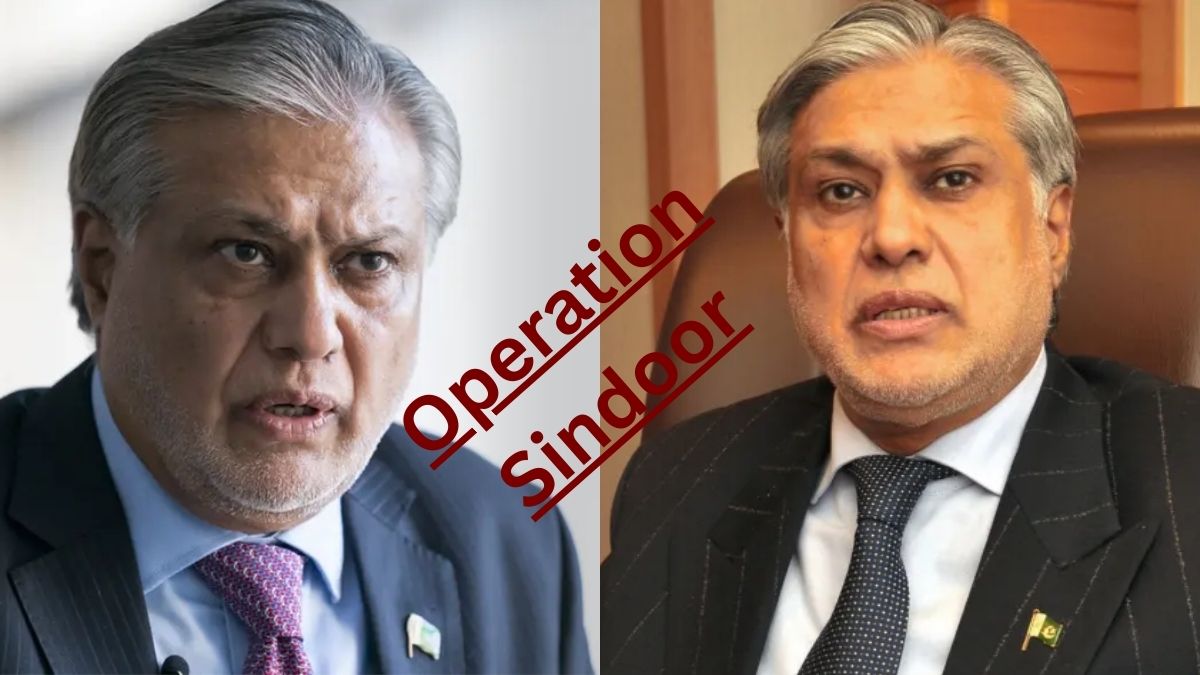



Islamabad/New Delhi, September 17, 2025: Pakistan’s Deputy Prime Minister and Foreign Minister Mohammad Ishaq Dar has confirmed that India has categorically rejected any U.S. role in mediating talks between the two neighbours, reiterating its long-standing stance that all discussions with Pakistan must remain strictly bilateral.
Dar revealed the details in an interview with Al Jazeera, where he recounted a conversation with U.S. Secretary of State Marco Rubio in July this year. According to Dar, Rubio informed him that India had made it clear it views dialogue with Islamabad as a “bilateral issue” and does not welcome third-party involvement.
“I asked Secretary Rubio about the earlier discussion regarding a possible dialogue,” Dar said. “He told me that India says it is a bilateral matter.”
Background of Mediation Claims
Earlier in May, Rubio had reportedly indicated that talks could soon take place at an independent, neutral venue, offering U.S. support to facilitate dialogue. However, during Dar’s follow-up meeting in Washington in July, the U.S. Secretary of State reiterated India’s firm rejection of external mediation.
The comments also come after claims by American officials that Washington played a role in helping de-escalate tensions during Operation Sindoor. The operation, conducted in May, was India’s counter-terrorism response to an April 22 militant attack in Pahalgam that left 26 civilians dead. India said the attackers were linked to groups operating from Pakistani soil.
Following the strikes, U.S. officials suggested that they had engaged both countries to prevent further escalation. India, however, has consistently denied these accounts, asserting that no third-party mediation occurred and that any communication with Pakistan was handled directly.
India’s Stance on Bilateralism
India’s foreign policy position on this issue has remained unchanged for decades. Successive governments in New Delhi have maintained that disputes with Pakistan, including those concerning Kashmir, cross-border terrorism, and ceasefire violations, must be resolved through direct bilateral dialogue without external involvement.
The Ministry of External Affairs has frequently reiterated this point in response to global mediation offers. In recent years, India has also linked any dialogue with Pakistan to Islamabad’s responsibility to curb terrorism directed at Indian targets.
Analysts note that Ishaq Dar’s admission effectively reinforces India’s long-standing stance, weakening U.S. assertions of its behind-the-scenes role in South Asian peace efforts.
Pakistan’s Position
Despite acknowledging India’s rejection of external involvement, Dar maintained that Islamabad remains open to dialogue under the right conditions.
“We don’t mind mediation, but India has categorically been stating it’s a bilateral matter,” he said.
Dar added that Pakistan’s preferred approach would include comprehensive discussions covering trade, border security, Kashmir, and regional cooperation, not just limited to ceasefire arrangements. “Dialogue must be sincere and meaningful,” he stressed.
Implications for Future Talks
The exchange highlights the continuing diplomatic challenges in restarting formal India–Pakistan talks. While Pakistan signals flexibility toward mediation, India’s insistence on bilateralism leaves little scope for third-party actors like the United States to influence negotiations.
Observers believe this divergence could shape the region’s geopolitical dynamics. The U.S. may continue to project its interest in South Asian stability, but India’s categorical position ensures that New Delhi and Islamabad will decide the framework of any talks on their own terms.
For now, Dar’s comments serve as a reminder that despite high-profile claims of American involvement, the road to dialogue between India and Pakistan remains firmly and perhaps exclusively bilateral.