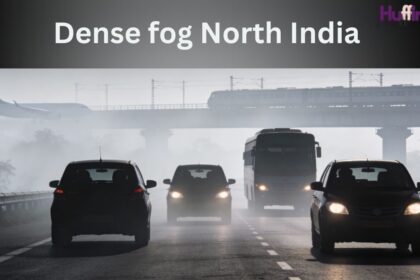




India sudden weather changes are being reported across several states, with unseasonal rainfall, temperature spikes, and abrupt shifts in climatic conditions affecting daily life, agriculture, and urban infrastructure. Weather experts say these fluctuations are no longer isolated events but part of a broader pattern linked to changing atmospheric behaviour.
From unexpected rain spells in northern regions to rising daytime temperatures in parts of central and southern India, the variability has raised concerns among policymakers, farmers, and disaster management authorities.
What Is Happening to India sudden weather changes?
Meteorological data shows increased instability in weather systems, leading to rapid transitions between heat, rain, and cooler conditions within short periods. According to climate analysts, this trend reflects disruptions in traditional seasonal cycles.
The India weather alert systems in several states have been activated more frequently, as forecasting agencies monitor fast-forming weather events rather than long, predictable patterns.
Experts explain that warmer oceans, shifting wind currents, and atmospheric moisture imbalance are contributing to these sudden changes.
Why Are Weather Patterns Becoming Unpredictable?
Scientists attribute much of the unpredictability to climate variability intensified by global warming. Rising surface temperatures increase evaporation, which in turn fuels intense but short-lived weather events.
This has resulted in:
- Unseasonal rainfall during typically dry months
- Localised flooding in urban areas
- Sudden heat spikes affecting health and power demand
- Disruptions to farming cycles
These developments align with broader climate change impact India assessments, which warn of increased frequency of extreme weather events.
Impact on Agriculture and Food Supply
Agriculture remains one of the most affected sectors. Unpredictable rainfall timing can damage standing crops, delay sowing, or reduce yields.
Farmers in several regions have reported difficulty planning irrigation and harvest schedules. Agricultural economists warn that continued instability could impact food prices if crop losses become widespread.
State governments are closely monitoring the situation, with contingency plans being discussed for affected districts.
Urban Areas Face New Challenges
Cities are also feeling the effects. Sudden downpours overwhelm drainage systems, while heat spikes strain electricity networks due to higher air-conditioning usage.
Urban planners note that infrastructure designed for predictable seasonal patterns is struggling to cope with short, intense weather events. This has increased the urgency of climate-resilient urban planning.
What Authorities Are Saying
Meteorological departments have urged citizens to rely on official forecasts and advisories rather than informal sources. Disaster response teams remain on alert in vulnerable regions.
Authorities emphasise preparedness rather than panic, noting that early warning systems and real-time monitoring have improved significantly in recent years.
For a global perspective on how climate variability is influencing weather systems worldwide, scientific analysis from the World Meteorological Organization provides additional context:
What This Means Going Forward
Experts caution that sudden weather shifts may become the new normal rather than rare exceptions. Adaptation—both at policy and individual levels—will be critical.
Short-term measures include improved forecasting, emergency response readiness, and public awareness. Long-term solutions involve sustainable development, emissions reduction, and climate-resilient infrastructure.
As India continues to experience rapid urbanisation and population growth, managing weather-related risks will remain a key governance challenge.
The current spell of erratic conditions highlights how interconnected climate systems have become. While individual events may vary, the broader trend suggests that India sudden weather changes are part of a long-term shift rather than temporary anomalies.
Staying informed, prepared, and adaptive will be essential as the country navigates an increasingly unpredictable climate landscape.
Related: Dense Fog North India Disrupts Travel as Flights and Trains Face Delays
Related: IMD Weather Alert Intensifies as Severe Conditions Trigger Safety Worries