
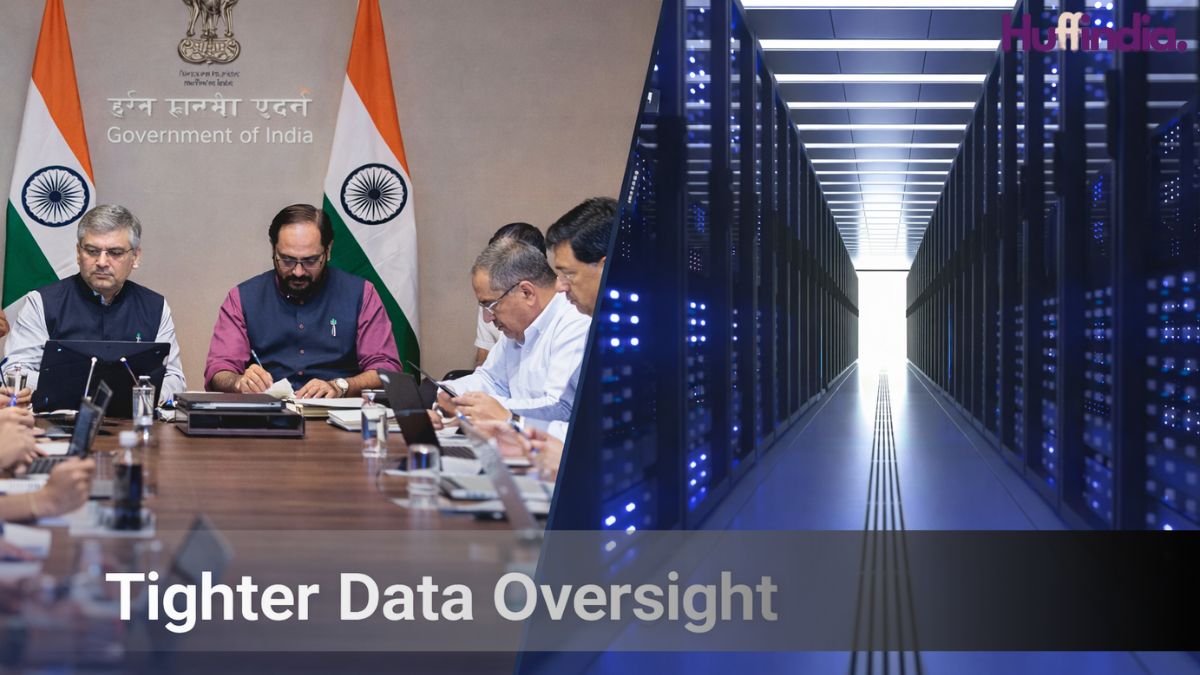



India digital data oversight has entered a stricter phase as new compliance rules for technology platforms and digital service providers take effect, increasing regulatory scrutiny across the sector. Officials say the measures aim to strengthen data protection, improve accountability, and ensure greater transparency in how digital platforms handle user information.
The changes come as India’s digital economy continues to expand rapidly, bringing renewed focus on privacy, cybersecurity, and responsible data governance.
New Compliance Rules Come Into Force
Under the updated framework, digital platforms are required to enhance data security practices, strengthen consent mechanisms, and ensure timely reporting of data breaches. Companies must also maintain clearer documentation of how user data is collected, processed, and stored.
Regulators say the rules are designed to bring India’s data governance standards closer to global best practices while addressing domestic concerns around misuse and unauthorized data sharing.
India Digital Data Oversight Enters a Stricter Phase
The tightening of India digital data oversight reflects a broader policy push to regulate the fast-growing digital ecosystem more effectively. Authorities argue that stronger oversight is necessary to protect user rights without stifling innovation.
Tech Compliance India Becomes a Key Priority
For companies, tech compliance India has become a critical operational focus. Firms are investing in compliance teams, legal audits, and technology upgrades to meet regulatory requirements and avoid penalties.
Industry experts note that smaller startups may face higher compliance costs, though regulators have emphasized proportional enforcement and phased implementation.
Impact on Digital Platforms and Users
Large technology platforms operating in India are expected to adapt more quickly due to existing compliance frameworks. However, the rules apply across the board, affecting e-commerce, fintech, social media, and cloud service providers.
For users, the changes are intended to provide greater clarity and control over personal data. Improved transparency and stronger safeguards could help build trust in digital services.
Industry Response and Concerns
Industry bodies have welcomed the intent behind the regulations but cautioned about implementation challenges. Concerns include compliance timelines, interpretation of requirements, and potential overlap with existing sector-specific regulations.
Some industry representatives have called for continued dialogue with regulators to ensure that compliance obligations remain practical and innovation-friendly.
Global Context and Policy Alignment
India’s approach to digital regulation is being closely watched internationally, as countries worldwide grapple with balancing innovation and data protection. Aligning with global norms could enhance cross-border data flows and international cooperation.
Analysts say clarity and consistency in enforcement will be key to ensuring long-term policy success.
According to international coverage of technology regulation trends, data governance is becoming a central policy issue for digital economies.
What Comes Next
As enforcement begins, attention will shift to how regulators interpret and apply the rules in practice. Companies operating in India are expected to review internal processes and invest further in compliance readiness.
For now, the tightening of India digital data oversight signals a decisive step toward stronger digital governance as the country’s technology landscape continues to evolve.
Related: Google Discover Traffic Drop: Reasons and Solutions
Related: India Tech Hiring Shows Recovery Signs as AI and Digital Skills Drive Demand