
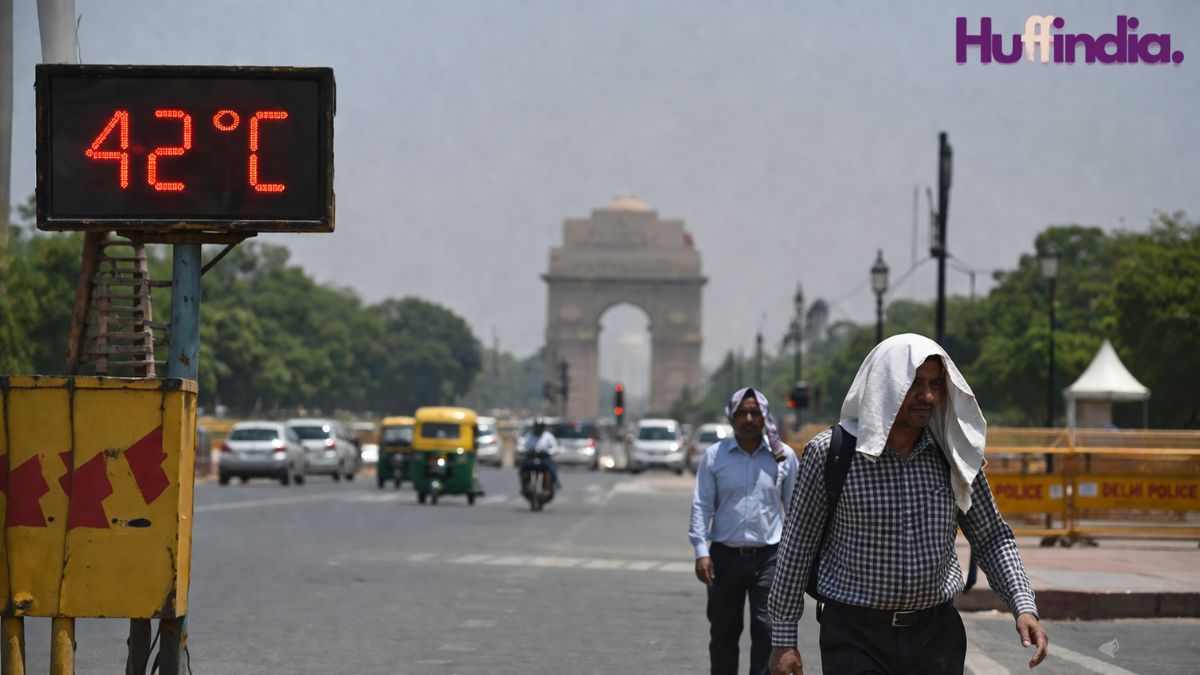



Delhi and several parts of North India are witnessing a sharp rise in temperatures, with the heatwave alert India becoming a major concern on 17 April. The mercury in the national capital has crossed 42°C, prompting health warnings and advisories from authorities.
The sudden spike has disrupted daily life, especially for commuters, outdoor workers, and school-going children, as extreme heat conditions continue to intensify.
What the IMD has said
According to the India Meteorological Department, heatwave conditions are expected to persist over the coming days. Officials have warned that peak temperatures may remain above normal, particularly during afternoon hours.
The department defines a heatwave when temperatures rise significantly above seasonal averages, increasing the risk of heat-related illnesses.
Experts also noted that dry winds and clear skies are contributing to the current Delhi heatwave news situation.
According to the IMD, current conditions match official IMD heatwave warning guidelines, indicating prolonged extreme temperatures.
Impact on daily life
The ongoing heatwave alert India is already affecting normal routines across the region. Streets in many areas appear less crowded during peak afternoon hours, while public transport usage has seen fluctuations.
Hospitals and clinics have reported a rise in cases of:
- Dehydration
- Heat exhaustion
- Headaches and fatigue
Vendors, delivery workers, and traffic personnel remain among the most vulnerable groups as they continue to work outdoors despite extreme conditions.
Schools and offices on alert
With rising temperatures, discussions around safety measures in schools and offices have intensified. Some institutions are reportedly adjusting timings to reduce exposure to peak heat hours.
While no official closure announcements have been made, the heatwave alert India has prompted precautionary steps in several areas.
Why temperatures are rising
Weather experts link the current surge to seasonal patterns combined with changing climate conditions. The absence of cloud cover and ongoing dry weather have accelerated heating across the plains.
This trend aligns with broader climate concerns, as extreme weather events become more frequent in India.
What you should do now
Authorities are urging residents to take precautions seriously during the Delhi heatwave news phase:
- Avoid going out between 12 PM and 4 PM
- Drink plenty of water, even if not thirsty
- Wear light and loose clothing
- Use protective gear like caps or umbrellas
Taking preventive steps can significantly reduce health risks during extreme heat conditions.
“The current situation is part of a larger trend, as seen in the latest Delhi heatwave 2026 IMD warning, where temperatures across North India continue to rise.”
“Interestingly, weather patterns remain unpredictable, with some regions also under a heavy rain alert North India April 2026, highlighting extreme climate shifts.”