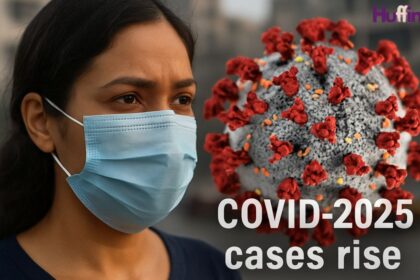




Health authorities across multiple regions have issued a global health warning as respiratory illnesses rise sharply with the spread of seasonal viruses. Hospitals in parts of North America, Europe, and Asia are reporting increased admissions linked to influenza-like infections, respiratory syncytial virus (RSV), and other airborne pathogens.
While the surge is consistent with seasonal patterns, experts say the scale and timing of the increase are placing renewed pressure on public health systems still recovering from recent global health crises.
Seasonal Viruses Drive Increased Hospitalizations
Doctors note that the current wave of illness is being fueled by a combination of common winter viruses and reduced immunity levels in some populations. Seasonal viruses such as influenza are spreading more efficiently as people spend more time indoors, increasing close contact.
Healthcare providers report that elderly individuals, young children, and those with chronic conditions remain the most vulnerable to severe outcomes. In several countries, emergency departments have seen a noticeable uptick in respiratory-related visits over the past few weeks.
Respiratory Illnesses and Public Health Systems
The growing number of cases has reignited concerns about the capacity of public health systems to manage sustained surges. Hospitals are balancing routine care with the need to expand respiratory treatment services, including oxygen support and intensive care monitoring.
Respiratory Infection Surge Raises Preparedness Questions
The ongoing respiratory infection surge has prompted health officials to emphasize preparedness measures. These include increasing vaccine uptake, strengthening surveillance, and ensuring adequate staffing levels in healthcare facilities.
Public health experts stress that early detection and timely care remain critical to preventing complications, particularly among high-risk groups.
Vaccination and Prevention Efforts
Vaccination continues to be one of the most effective tools in reducing severe illness. Health agencies worldwide are urging eligible populations to stay up to date with recommended flu and respiratory virus vaccines.
In addition to immunization, preventive measures such as hand hygiene, improved ventilation, and mask use in crowded settings are being encouraged during peak transmission periods. Experts note that these steps not only limit the spread of respiratory viruses but also help protect healthcare capacity.
Global Coordination and Monitoring
International health organizations are closely monitoring trends to identify potential hotspots and emerging strains. Data-sharing initiatives allow countries to compare infection patterns and adjust response strategies accordingly.
According to Reuters’ global health coverage, experts say coordinated surveillance plays a key role in managing seasonal outbreaks and ensuring timely public communication.
Public Awareness Remains Crucial
Health officials emphasize that public awareness can significantly reduce the impact of respiratory illness waves. Recognizing symptoms early and seeking appropriate medical advice can prevent progression to more severe disease.
While most infections remain mild, experts caution that complacency can undermine collective efforts to control spread. Clear communication, they say, is essential to maintaining public trust and cooperation.
As seasonal viruses continue to circulate, health authorities expect respiratory illness levels to fluctuate in the coming months. Ongoing surveillance, vaccination campaigns, and public engagement will be key to limiting disruption.
The current rise serves as a reminder that respiratory health remains a global priority, requiring vigilance, coordination, and sustained investment in public health infrastructure.
Related: 4 Worst Drinks for Kidney Health: Why Soda, Coffee, Drinks & Alcohol
Related: Man Suffers Grim Fate After Drinking Eight Energy Drinks per Day