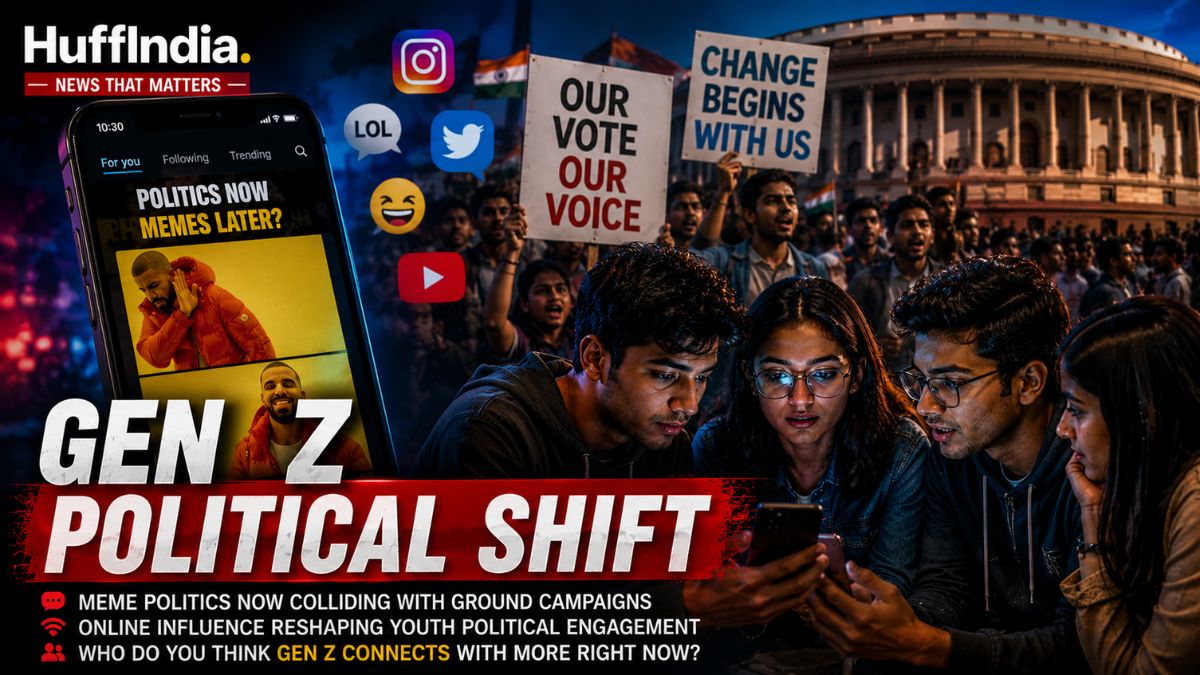



The latest Gen Z political debate discussions are highlighting how digital culture is reshaping political conversations among younger audiences.
Recent online developments involving meme-driven political content and youth-focused campaign strategies have sparked wider conversations around how younger voters increasingly engage with public issues. Online satire movements and digital-first political communication are attracting significant attention among Gen Z audiences.
Observers say younger internet users increasingly consume political discussions through:
- Short-form videos
- Meme culture
- Social media communities
- Creator-led commentary
- Online campaign content
Political communication experts say digital behavior patterns are increasingly influencing how younger demographics discover public issues.
Gen Z Political Debate Expands as Meme Politics India Trends Grow
The broader meme politics India discussions have intensified as viral online movements gain visibility.
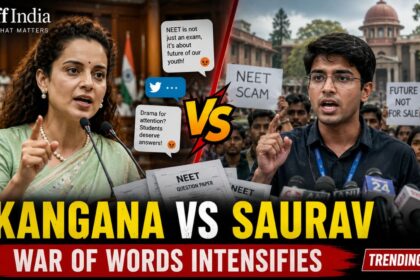
Recent examples have shown satire, internet humor and digital storytelling becoming major engagement tools. Viral youth-led political meme movements have generated millions of interactions online while highlighting issues such as employment, affordability and governance discussions.
Digital engagement analysts say meme culture often works because it:
- Simplifies complex topics
- Creates community participation
- Improves reach among younger audiences
- Encourages political conversations
Experts note online attention does not automatically translate into offline political outcomes, but influence patterns are evolving.
Political participation and electoral information can also be explored through https://eci.gov.in/
Youth Political Engagement Increasingly Moving Online
The latest youth political engagement discussions reflect broader digital transformation trends.
Gen Z audiences increasingly spend substantial time across digital platforms, influencing how institutions, creators and political organizations communicate.
Analysts say younger audiences often value:
- Authentic communication
- Relatable storytelling
- Direct interaction
- Internet-native communication styles
Several recent youth-focused online movements suggest digital participation increasingly shapes public conversations.
Online Political Influence Creating New Competition
The growing online political influence trend highlights changing competition between traditional campaign methods and internet-first engagement.
Political observers say physical campaigns remain important, but digital influence increasingly shapes visibility.
The evolving landscape reflects larger questions:
- Can viral attention convert into long-term engagement?
- Do meme communities influence civic participation?
- How important are creators and internet personalities?
Experts say digital influence may increasingly complement rather than replace traditional political structures.
What Happens Next
The broader digital politics India discussions are likely to remain closely watched as younger audiences continue shaping online discourse.
Political communication analysts expect future campaign strategies to increasingly blend digital engagement with traditional outreach.
The broader shift reflects how internet culture, youth participation and political communication continue evolving together in India’s changing digital landscape.
Also Read: PM Modi Italy Visit Brings Trade and Strategic Relations Into Focus