


New Delhi, October 2025:
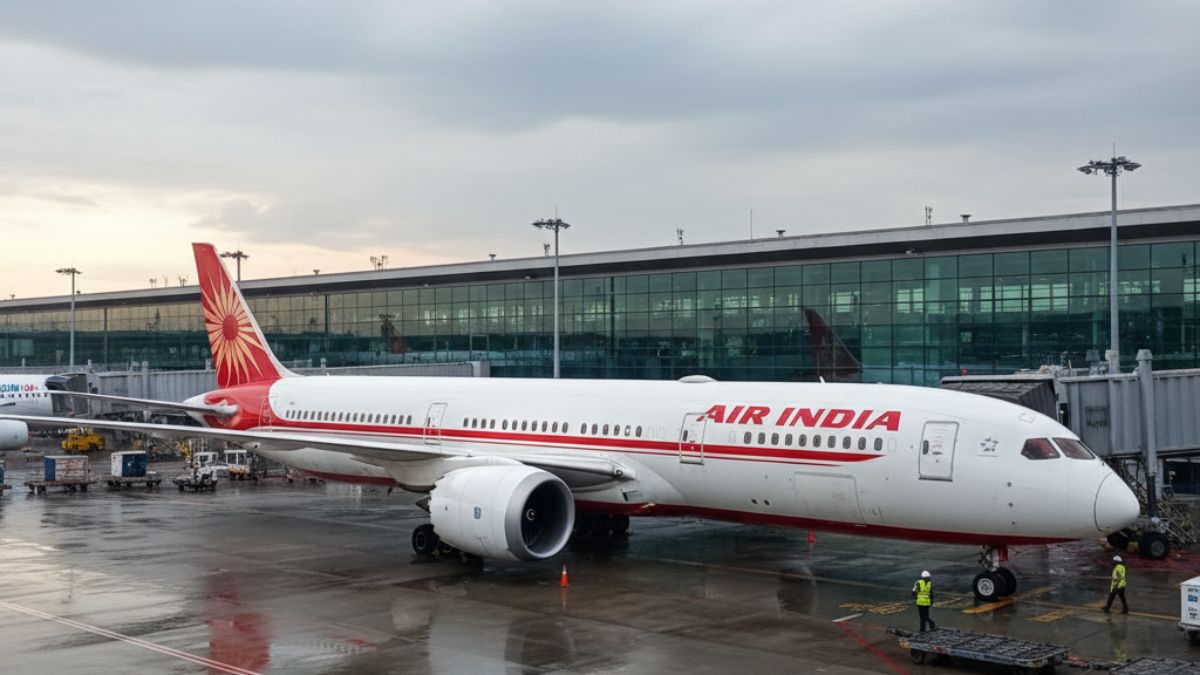
Air India in Talks for 300 Aircraft marks a bold move as the Tata-owned carrier negotiates with Airbus and Boeing to acquire up to 300 new jets, including 100 wide-body planes, in a deal that could transform its global network and modernise its fleet.
If finalised, this order will come on top of the 470 aircraft deal signed in 2023, bringing Air India’s total commitments close to 870 planes — a fleet size comparable to global aviation leaders.
Expanding Horizons: Wide-Body Focus for Long-Haul Routes
Sources familiar with the discussions indicate that 80 to 100 wide-body aircraft could be part of the new deal. These planes are expected to serve non-stop long-haul routes connecting India to North America, Europe, and Australia — markets currently dominated by Middle Eastern carriers.
Industry observers say Air India’s goal is to reclaim traffic currently routed through hubs like Dubai and Doha by offering more direct connections from Indian cities. The airline’s leadership has emphasised that improved connectivity will reduce travel time for passengers and capture a larger share of the international travel market.
Among the aircraft under consideration are the Boeing 777X, Airbus A350-1000, and Boeing 787 Dreamliner, models known for efficiency and long-range capability.
Narrow-Body Expansion to Strengthen Domestic Network
Alongside its global ambitions, Air India is also negotiating for around 200 narrow-body aircraft, mainly from the Airbus A320neo family, to enhance domestic and short-haul international routes.
India’s domestic air travel market continues to boom, with passenger volumes reaching 165 million in FY2025, surpassing pre-pandemic levels. Air India has been steadily increasing frequency on key routes and adding new destinations in Rajasthan, Gujarat, and Madhya Pradesh.
Strategic Mergers Strengthening Market Position
Air India’s growth push builds upon its consolidation strategy. The merger with Vistara in November 2024 created India’s largest full-service airline, combining international connectivity and domestic strength. Additionally, Air India Express merged with AIX Connect (formerly AirAsia India), unifying the group’s low-cost operations under one umbrella.
Post-merger, the Air India Group fleet stands at about 300 aircraft, operating more than 100 domestic and international routes. Singapore Airlines now holds a 25.1% stake in the combined full-service entity, reflecting strong global confidence in the Tata-led transformation.
Tata Group’s Turnaround Vision
Since taking over Air India in 2022, the Tata Group has been executing a five-year transformation roadmap known as Vihaan. AI — focused on expanding the network, improving customer experience, and restoring profitability.
Under Tata’s management, Air India’s market share has climbed to 27% domestically and 24% internationally. The airline has also modernised its workforce, reducing the average employee age from 54 to 35 years and adding thousands of new cabin crew and pilots to support growth.
Chairman N. Chandrasekaran has repeatedly stated that Tata’s goal is to “build a world-class airline that every Indian can be proud of.”
India’s Sky-High Aviation Opportunity
India’s aviation market is projected to grow 10.5% in 2026, outpacing China to become the fastest-growing major aviation market in the world. Despite being the third-largest globally, India’s per capita air travel remains among the lowest, indicating vast untapped potential.
The IMARC Group estimates India’s aviation sector will reach $40.8 billion by 2033, growing at a CAGR of over 12%. Much of this demand will come from Tier 2 and Tier 3 cities, supported by the government’s airport expansion under the UDAN regional connectivity scheme.
The number of operational airports in India has doubled since 2014, and upcoming mega projects like Noida International Airport and Navi Mumbai International Airport are expected to reshape passenger capacity and logistics.
Strengthening Infrastructure and Training
To sustain its fleet growth, Air India is investing heavily in maintenance and training facilities. Upcoming projects include a 12-bay MRO facility in Bengaluru, a flight school in Amravati, and a training academy in Gurugram.
The airline is also upgrading its existing fleet. Over 100 Airbus A320 Family aircraft now feature new interiors with business, premium economy, and economy classes. Refurbishment of Boeing 787 and 777 jets is underway to elevate the long-haul travel experience.
Financial Outlook and Market Competition
While the Indian aviation industry is witnessing record growth, profitability remains a challenge due to high fuel costs and aircraft lease expenses. Analysts expect industry-wide losses to stay between ₹20,000 and 30,000 crore in FY2026, though passenger revenue continues to rise.
IndiGo still dominates the domestic market with a 63% share and over 1,000 aircraft on order. However, Air India’s international reach, premium service positioning, and Tata Group backing give it a strong competitive edge in the long run.
The Road Ahead
Air India’s negotiations for up to 300 additional aircraft underline its determination to reclaim global relevance. If finalised, this expansion will make the airline one of the largest operators in Asia, positioning India as a key aviation hub between East and West.
Despite delivery delays and operational hurdles, CEO Campbell Wilson remains optimistic:
“Air India has covered a lot of ground since privatisation, but there’s much more to be done. Our team is committed to creating a world-class airline built on trust, performance, and excellence.”
As India’s skies continue to open up, Air India’s transformation under Tata leadership represents not just a corporate turnaround but a defining chapter in the country’s aviation story.