
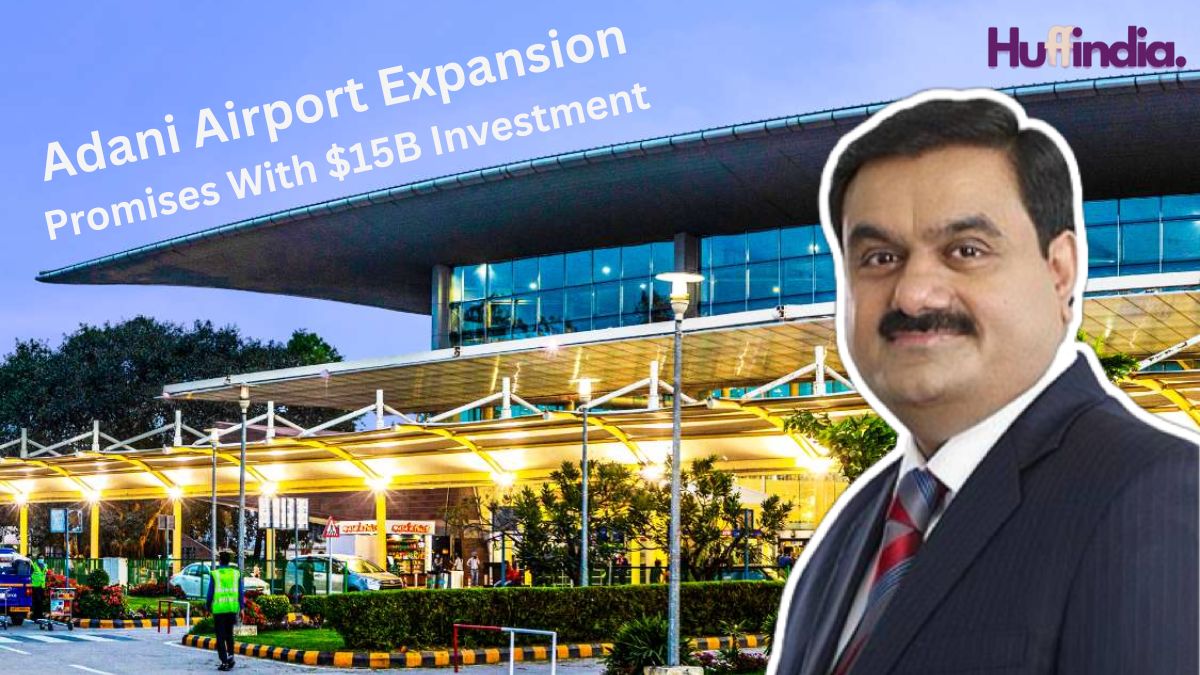



Adani Airport Expansion 2025 has become one of the biggest headlines in India’s infrastructure sector today, after the Adani Group announced a massive $15 billion airport modernization and expansion plan that aims to completely reshape India’s aviation landscape by 2030. With passenger traffic soaring, India emerging as the world’s fastest-growing aviation market, and growing demand for global connectivity, this landmark announcement is being hailed as a game-changing transformation for the country.
The plan comes at a crucial moment as India crosses pre-pandemic aviation numbers and domestic air travel touches historic highs. Adani Airports, already managing seven major Indian airports, aims to turn its network into world-class hubs, boosting capacity, safety, technology, and passenger experience.
Industry experts say this move signals India’s entry into the next era of aviation infrastructure, one driven by global standards, digitization, and massive passenger movement.
A Bold Vision — What the $15 Billion Expansion Includes
Adani’s expansion blueprint focuses on three major pillars: airport modernization, capacity expansion, and green sustainability.
1. Major Airport Upgrades Across India
The expansion includes large-scale upgrades at multiple airports under Adani’s control, including:
- Mumbai International Airport
- Navi Mumbai International Airport (opening 2026)
- Ahmedabad, Lucknow & Guwahati Airports
- Trivandrum & Mangaluru Airports
These airports will receive advanced runway systems, modernized terminals, expanded lounges, improved baggage systems, and smart-technology adoption.
2. Capacity Boost to Handle Millions More Flyers
India is projected to handle 1.5 billion flyers annually by 2035. Adani’s plan ensures:
- Higher terminal capacity
- Increased runway efficiency
- Faster passenger movement
- Improved flight handling
- Advanced traffic control systems
The goal is to meet the future aviation boom head-on, without repeating issues like overcrowding and long delays.
H3: 3. A Push Toward Sustainable, Green Airports
Adani Group has committed to:
- Net-zero emissions
- Renewable energy integration
- Solar-powered airport buildings
- Eco-friendly materials
- Water-saving systems
It aims to make its entire airport portfolio one of the cleanest and greenest in Asia.
Why the Adani Airport Expansion Matters for India
This mega plan is not just about infrastructure — it is expected to create a ripple effect across India’s economy.
Job Creation and Local Growth
Thousands of new jobs are expected during construction and operations, boosting local economies around major airports.
Tourism Boost
India’s tourism sector stands to gain massively from easier, smoother, and faster airport travel.
Global Connectivity
Upgraded airports make way for:
- More international airlines
- Larger aircraft
- New global routes
- Increased trade capacity
This strengthens India’s global position.
Reduced Travel Stress for Flyers
Passengers will benefit from:
- Shorter queues
- Faster check-ins
- More comfortable terminals
- Modern amenities
- Better connectivity
The goal is to bring India’s airport experience closer to that of Dubai, Singapore, and Istanbul.
Public Reaction — Excitement, Curiosity and National Pride
The announcement generated strong responses nationwide.
Travelers celebrated the move, calling it a “much-needed upgrade,” while aviation enthusiasts praised the plan’s ambition and scale.
Social media saw comments like:
- “India finally stepping into global aviation standards!”
- “We need world-class airports — this is the right direction.”
- “$15B expansion shows India is serious about future travel.”
Economists and analysts have also highlighted the project’s economic multiplier effect, calling it a “historic infrastructure push”.
Credible Source
For official reporting on this development: Reuters
Conclusion
The Adani airport expansion 2025 project marks a historic turning point for India’s aviation industry. With a massive $15 billion investment, the plan aims to modernize airports, increase capacity, adopt global-level technology, and support India’s rising travel demand. As the project unfolds, it is expected to reshape the travel experience for millions and strengthen India’s position as a global aviation hub.
Related: Adani Energy Q2 Results Impress – Revenue Growth of 7%, EBITDA Surges 12% Year-over-Year
Related: India Launches National Critical Mineral Stockpile to Secure Supply Chains