
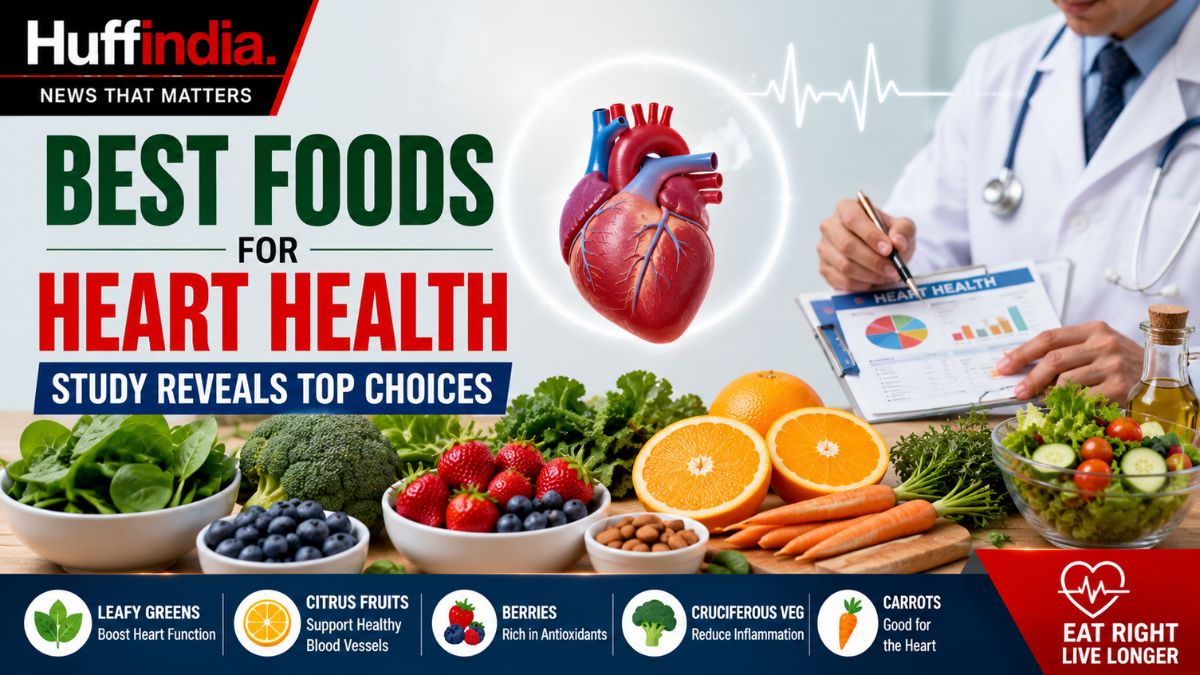



Best Foods for Heart Health may be more specific than previously thought. A new study suggests that simply eating five portions of fruits and vegetables each day may not be enough to maximize cardiovascular benefits. Instead, researchers indicate that certain fruits and vegetables appear to offer stronger protection for heart health than others.
The findings add to a growing body of evidence showing that the quality and variety of plant-based foods can play a major role in reducing the risk of heart disease, stroke, and other cardiovascular conditions.
Experts say the research highlights the importance of making smart dietary choices rather than focusing solely on the total number of servings consumed each day.
Best Foods for Heart Health Identified by Researchers
According to the study, the Best Foods for Heart Health include a combination of fruits and vegetables that are rich in vitamins, antioxidants, fiber, and plant compounds known to support cardiovascular function.
Researchers found the strongest benefits among people who regularly consumed:
- Leafy green vegetables
- Cruciferous vegetables
- Citrus fruits
- Berries
- Carrots
These foods have long been associated with improved heart health, but the latest findings suggest they may offer greater protection than some other fruits and vegetables.
The study reinforces the idea that not all plant-based foods contribute equally to cardiovascular wellness.
Why Leafy Greens Stand Out
Leafy greens are among the Best Foods for Heart Health because they contain nutrients that support blood vessel function and circulation.
Popular examples include:
- Spinach
- Kale
- Lettuce
- Mustard greens
- Fenugreek leaves
These vegetables are rich in nitrates, potassium, folate, and antioxidants that may help regulate blood pressure and reduce inflammation.
Nutrition experts often recommend incorporating leafy greens into daily meals through salads, soups, smoothies, and cooked dishes.
Citrus Fruits Offer Heart-Protective Benefits
Citrus fruits were also highlighted among the Best Foods for Heart Health.
Common options include:
- Oranges
- Sweet lime
- Grapefruit
- Lemons
- Tangerines
These fruits contain vitamin C, flavonoids, and fiber, all of which may contribute to cardiovascular health.
Research has linked citrus consumption to lower inflammation levels and improved blood vessel performance.
Their natural sweetness also makes them a healthier alternative to processed snacks and sugary desserts.
Berries Continue to Impress Researchers
Berries remain among the most frequently recommended Best Foods for Heart Health.
Examples include:
- Blueberries
- Strawberries
- Blackberries
- Raspberries
Berries are particularly rich in antioxidants called anthocyanins, which have been associated with improved heart function and reduced cardiovascular risk.
Several studies have suggested that regular berry consumption may help support healthy cholesterol levels and improve blood vessel health.
Carrots and Cruciferous Vegetables Make the List
The study also highlighted carrots and cruciferous vegetables as important components of a heart-friendly diet.
Cruciferous vegetables include:
- Broccoli
- Cauliflower
- Cabbage
- Brussels sprouts
These vegetables provide fiber, vitamins, and plant compounds that may help reduce inflammation and support overall cardiovascular function.
Carrots, meanwhile, contain carotenoids and antioxidants linked to long-term health benefits.
Together, they represent another group of Best Foods for Heart Health that can be easily incorporated into everyday meals.
Why Variety Matters
Researchers emphasize that no single food can guarantee heart protection.
The Best Foods for Heart Health work most effectively when combined as part of a balanced dietary pattern.
Experts recommend including a wide range of fruits and vegetables throughout the week to ensure adequate intake of essential nutrients.
A diverse diet can help support:
- Healthy blood pressure
- Cholesterol management
- Weight control
- Reduced inflammation
- Better cardiovascular function
The overall pattern of eating often matters more than any individual food choice.
Additional Lifestyle Factors
While diet plays a crucial role, experts note that heart health depends on multiple lifestyle factors.
Important habits include:
- Regular physical activity
- Maintaining a healthy weight
- Avoiding tobacco use
- Limiting excessive alcohol consumption
- Managing stress levels
- Getting adequate sleep
The Best Foods for Heart Health can provide substantial benefits, but they are most effective when combined with broader healthy lifestyle practices.
What the Study Means for Everyday Diets
The findings offer practical guidance for people seeking to improve their cardiovascular health.
Rather than simply aiming for five random portions of fruits and vegetables daily, consumers may benefit from prioritizing nutrient-dense options such as leafy greens, berries, citrus fruits, carrots, and cruciferous vegetables.
Nutrition specialists say these foods are widely available, relatively affordable, and easy to incorporate into most meal plans.
Small dietary improvements made consistently over time can have a meaningful impact on long-term heart health.
For heart health guidance and nutrition recommendations, readers can visit the World Health Organization (WHO) website.
Final Thoughts on the Best Foods for Heart Health
The latest research suggests that the Best Foods for Heart Health are not simply any fruits and vegetables but specific nutrient-rich varieties that offer stronger cardiovascular benefits.
Leafy greens, berries, citrus fruits, carrots, and cruciferous vegetables emerged as standout choices that may help reduce heart disease risk when consumed regularly as part of a balanced diet.
While no single food can replace healthy lifestyle habits, choosing the Best Foods for Heart Health each day could be a simple and effective step toward protecting cardiovascular wellness and improving overall long-term health.
Also Read: Jamun Benefits for Diabetes: Experts Explain How the Fruit May Help Control Blood Sugar