
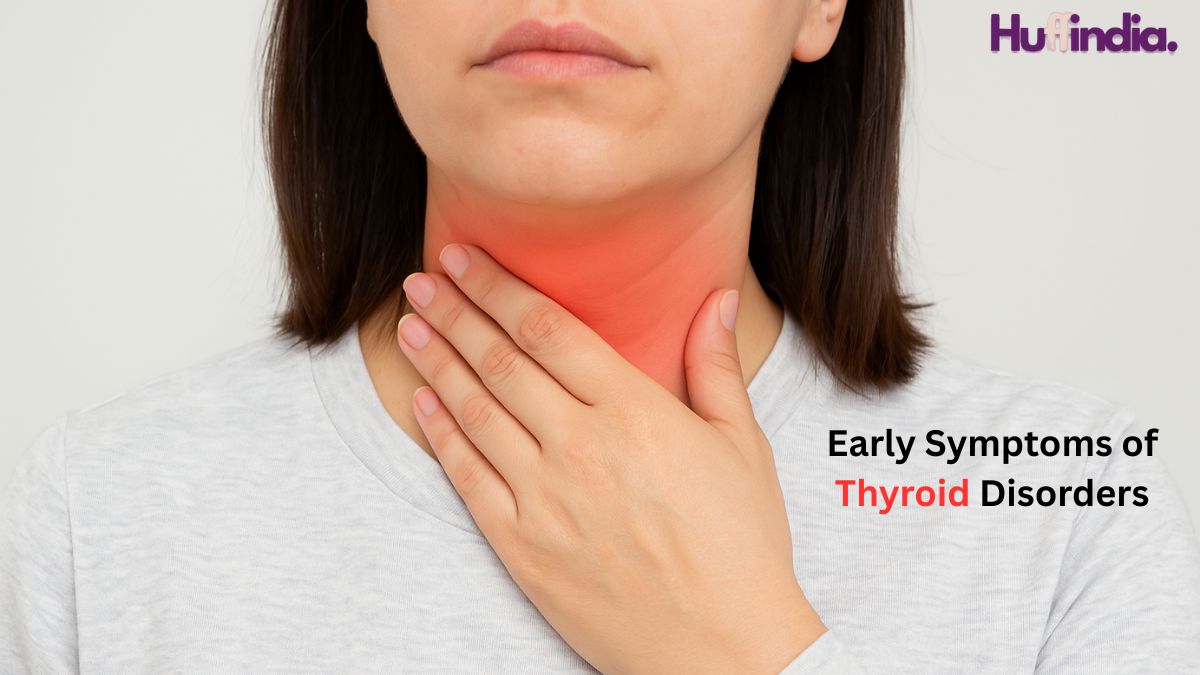



Early symptoms of thyroid disorders have been rising steadily across India, with doctors reporting a sharp increase in both hypothyroidism (low thyroid hormone) and hyperthyroidism (excess thyroid hormone). Health experts say early detection is crucial, as most patients overlook early warning signs or confuse them with day-to-day fatigue and stress.
Below is a newsroom-friendly explainer on the early symptoms of thyroid disorders and what individuals should do when these signs appear.
Early Symptoms of Hypothyroidism (Underactive Thyroid)
Hypothyroidism occurs when the thyroid gland does not produce enough hormones. Early symptoms are often subtle, but consistent patterns may indicate a problem.
Common early signs include:
- Unusual fatigue or sluggishness even after adequate sleep
- Unexplained weight gain or inability to lose weight
- Dry skin and brittle hair
- Feeling unusually cold, even in warm conditions
- Constipation
- Mood changes, especially low mood or mild depression
- Menstrual irregularities in women
- Slowed heart rate and low energy during daily tasks
Doctors note that these symptoms often progress slowly, making routine screening important, particularly for women above 30, pregnant women and individuals with a family history of thyroid disease.
“According to the Mayo Clinic, early thyroid symptoms often overlap with fatigue and mood changes.”
Early Symptoms of Hyperthyroidism (Overactive Thyroid)
Hyperthyroidism occurs when the thyroid produces excess hormones, speeding up the body’s metabolism.
Early signs can include:
- Rapid or irregular heartbeat
- Unexplained weight loss despite normal or increased eating
- Nervousness, anxiety or irritability
- Tremors, especially in hands
- Heat intolerance and excessive sweating
- Frequent bowel movements
- Difficulty sleeping
- Eye changes, including dryness or a sensation of irritation
Young adults, especially women between 20 and 40, are more likely to experience hyperthyroid symptoms, though the condition can affect anyone.
When to Seek Medical Help
Doctors recommend seeking medical advice if any two or more symptoms persist for more than two to three weeks. Thyroid disorders are common, highly treatable and manageable when diagnosed early.
The first steps should include:
- Visit a physician or endocrinologist for clinical evaluation
- Thyroid Function Test (TFT):
- TSH (Thyroid-Stimulating Hormone)
- T3 and T4 levels
- Ultrasound of the thyroid if swelling or nodules are suspected
- Antibody tests to check for autoimmune thyroid disease (e.g., Hashimoto’s or Graves’ disease)
Early diagnosis can prevent complications such as infertility, high cholesterol, heart rhythm disturbances and long-term metabolic issues.
Early symptoms of thyroid: What to Do After Diagnosis
If you are diagnosed with thyroid dysfunction, doctors generally recommend the following:
For Hypothyroidism
- Daily thyroid hormone replacement medication
- Regular monitoring every 3–6 months
- Balanced diet rich in iodine, zinc and selenium
- Moderate physical activity to support metabolism
For Hyperthyroidism
- Anti-thyroid medication
- Beta-blockers to control heart rate (if required)
- Radioactive iodine therapy or surgery in selected cases
- Avoid excessive caffeine and stimulants
Lifestyle Measures That Help
Health experts also recommend simple habits that support thyroid health:
- Maintain a consistent sleep schedule
- Avoid skipping meals, especially breakfast
- Incorporate exercise or brisk walks daily
- Manage stress through breathing exercises or yoga
- Avoid excessive consumption of soy, refined sugar and processed food
Why Early Detection Matters
Early symptoms of thyroid are highly manageable, but untreated cases can lead to severe consequences affecting heart health, fertility, mental well-being and metabolism. With India witnessing rising lifestyle-related health issues, early symptom awareness and timely testing are becoming increasingly important.
Related: Fruits for diabetics & Diabetics: What to Eat & Avoid
Related: Protect from Diabetes: Low Sugar Diet & Active Lifestyle
Related: Breast Cancer Month 2025: Close Survival Gap, Save Lives