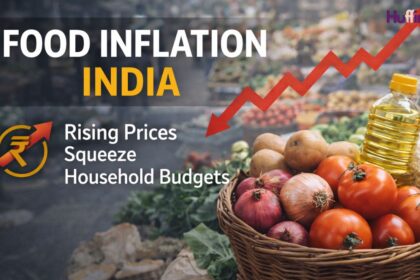
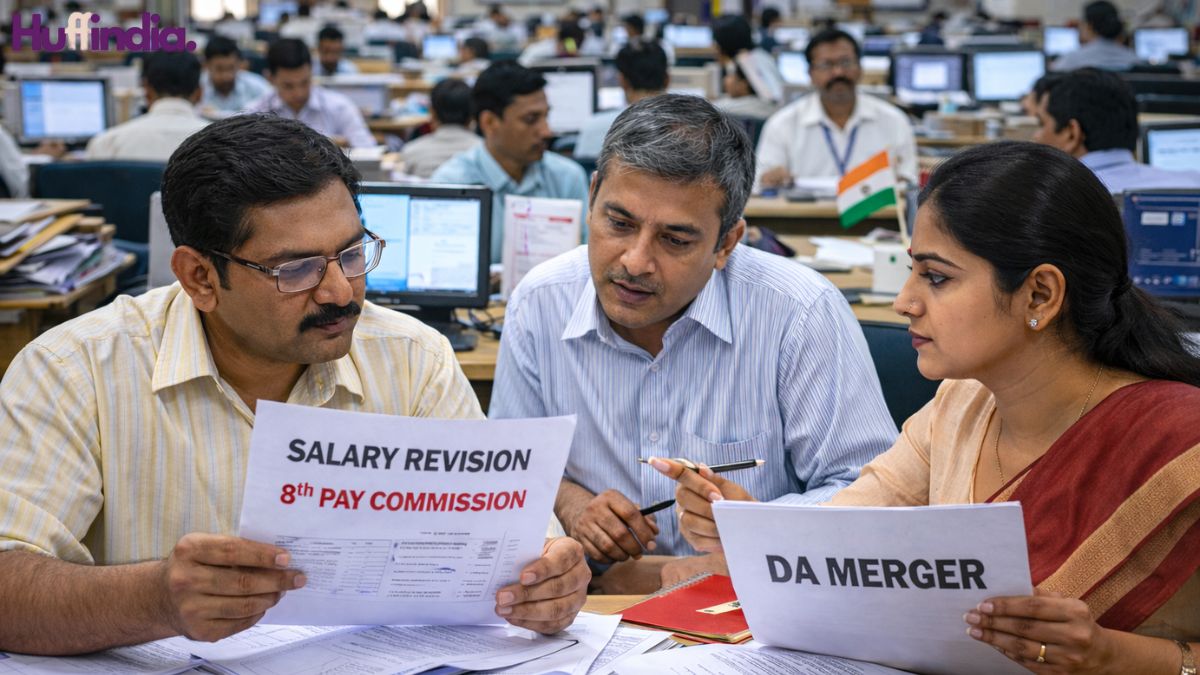



The 8th Pay Commission update has become one of the most discussed policy topics among central government employees across India. With rising inflation and increasing cost of living, employee unions are pushing for a major government employee salary hike in India, including a potential merger of Dearness Allowance (DA) with basic pay.
Millions of central government employees and pensioners are closely following developments around the 8th Pay Commission salary revision, which could significantly impact income levels, pensions, and allowances across the public sector.
Why the 8th Pay Commission Update Matters
The 8th Pay Commission update is expected to determine the next major revision in pay structures for central government employees. Traditionally, the Government of India forms a pay commission roughly every ten years to review salary frameworks and recommend changes based on economic conditions.
The previous commission, the 7th Central Pay Commission, came into effect in 2016 and introduced revised pay matrices for government employees. Since then, inflation and economic changes have led to increasing demands for another review.
Employee associations argue that a fresh pay commission is necessary to ensure that government salaries remain competitive and aligned with the rising cost of living.
Demand for DA Merger with Basic Pay
One of the biggest demands in the ongoing 8th Pay Commission update discussions is the merger of 50% Dearness Allowance (DA) with basic pay.
Currently, DA is provided to government employees as compensation for inflation. However, unions believe that once DA crosses 50%, it should be merged with basic salary to create a new pay base.
If implemented, this change could significantly increase the central government employees salary, as other allowances such as House Rent Allowance (HRA) and travel benefits are calculated based on basic pay.
Experts say such a move could also increase pensions, benefiting millions of retired government employees.
Impact on Millions of Employees and Pensioners
The 8th Pay Commission salary revision could affect more than 1 crore individuals, including central government employees, defense personnel, and pensioners.
Higher pay levels could improve purchasing power and stimulate consumer spending across the economy. However, economists also note that large-scale salary revisions can increase the government’s expenditure.
Despite these concerns, employee unions say a salary revision is necessary to maintain the financial stability of government workers.
Government Yet to Announce Official Timeline
While discussions around the 8th Pay Commission update are gaining momentum, the central government has not yet officially announced the formation of the commission.
Policy experts believe the government may consider forming the new pay commission in the coming years as the timeline for revising public sector salaries approaches.
According to reports from leading financial publications, employee unions have already submitted proposals requesting the government to initiate the process soon. More details about salary and pension policy updates can be explored on the official website of the Ministry of Finance, Government of India:
https://www.finmin.nic.in
Economic Implications of the Next Pay Commission
A major government employee salary hike in India could have wider economic effects beyond public sector workers. Higher salaries often lead to increased spending on housing, consumer goods, travel, and education.
This spending boost can stimulate economic activity in multiple sectors, including real estate, retail, and services.
At the same time, economists suggest the government must carefully balance employee welfare with fiscal discipline to avoid excessive strain on public finances.
What Employees Can Expect Next
For now, government employees will continue monitoring the 8th Pay Commission update as discussions progress among unions, policymakers, and financial experts.
If the commission is announced, it will likely evaluate multiple aspects of government compensation, including salary structure, allowances, pension frameworks, and inflation adjustments.
Until an official decision is made, the possibility of a major salary revision for central government employees will remain a key topic of discussion across India’s public sector workforce.
Related: 8th Pay Commission Approved: Cabinet OKs Salary Hike 2026
Related: Supreme Court Allows India-Pakistan Asia Cup Match to Proceed, Urges Focus on Sport Over Politics