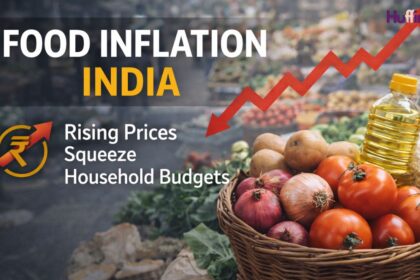




Why inflation feels higher than official numbers is a question many households across India are asking as everyday expenses continue to rise despite government data showing moderate inflation levels. While official inflation figures are based on carefully calculated indices, economists say they often fail to fully capture how rising costs affect daily life, especially for middle- and lower-income families.
This disconnect between data and lived experience has led to widespread frustration, with citizens feeling that their purchasing power is shrinking faster than statistics suggest.
How Inflation Is Officially Measured in India
Inflation in India is primarily measured using the Consumer Price Index (CPI), which tracks price changes across a fixed basket of goods and services. This basket includes food items, housing, fuel, clothing, healthcare and education, each weighted according to average household spending patterns.
However, experts note that the basket represents an “average consumer,” which may not reflect the realities of specific income groups or regions.
Why Inflation Feels Higher for Households
One key reason inflation in India feels more severe is that essential expenses tend to rise faster than discretionary spending. Food, fuel, rent and healthcare often make up a larger share of household budgets than the items that remain stable or fall in price.
For families spending most of their income on essentials, even small price increases create a disproportionate financial burden.
“Rising fuel and transport expenses have amplified household stress, especially as rising fuel and transport costs affect food prices, commuting and logistics across regions.”
👉 Why Fuel Prices Stay Unchanged for Days
Cost of Living India: Essentials vs Averages
The cost of living India varies widely across cities, towns and rural areas. Housing rents, school fees and medical expenses have increased sharply in many regions, but these increases may not be fully reflected in national inflation averages.
Economists explain that when essentials rise faster than overall inflation, households feel squeezed even if the headline inflation rate appears manageable.
Economists also point out that this perception is closely tied to the fact that India’s economy is currently showing mixed signals, where strong headline growth exists alongside pressure on household spending.
👉 India Economy Mixed Signals Explained
Income Growth vs Rising Expenses
Another factor behind the perceived gap is income growth. While prices have steadily increased, wage growth has not kept pace for many workers, particularly in the informal sector.
As a result, households are forced to adjust spending, reduce savings or rely on credit, reinforcing the sense that inflation is higher than reported.
Real Inflation Impact on Daily Life
The real inflation impact is most visible in daily decisions — choosing cheaper food options, postponing purchases or cutting back on non-essential expenses. Rising education and healthcare costs further add to financial stress, as these are difficult to avoid or delay.
Experts say this behavioural response often matters more than official data in shaping public perception.
Why Inflation Data Still Matters
Despite its limitations, official inflation data plays a crucial role in policymaking. It guides interest rate decisions, welfare schemes and fiscal planning.
However, analysts stress that inflation numbers should be viewed alongside employment trends, income growth and household debt levels to better understand economic pressure.
Can Inflation Feel Lower in the Future?
Economists believe inflation may feel more manageable if income growth improves and essential costs stabilise. Targeted policy measures, improved supply chains and stable fuel prices can help ease pressure over time.
Clear communication from policymakers is also key to bridging the gap between data and public experience.
What Households Can Do
While individuals have limited control over inflation, experts suggest:
- Tracking spending closely
- Prioritising essentials
- Avoiding high-interest debt
- Staying informed through credible sources
Small financial adjustments can help households cope during periods of rising costs.
Bottom Line
Why inflation feels higher than official numbers is rooted in how people experience rising costs in their daily lives. While data provides a macro-level view, household realities often tell a more complex story — one shaped by essential expenses, income growth and regional differences.
For verified economic indicators and policy updates, readers can consult official sources published by the Government of India.