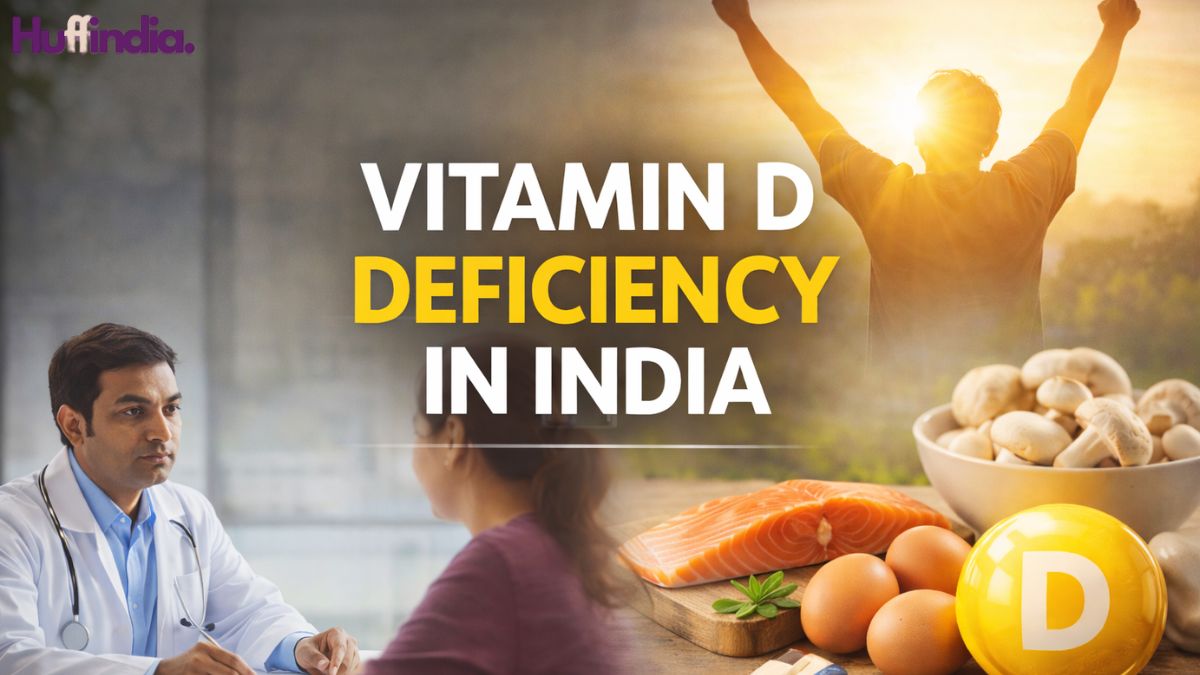



Vitamin D deficiency in India is becoming a growing public health concern, with doctors across the country reporting a steady rise in cases among both urban and rural populations. Despite India’s abundant sunshine, health experts say lifestyle changes, indoor work culture and dietary gaps are contributing to widespread deficiency.
Medical professionals warn that untreated vitamin D deficiency can impact bone health, immunity and overall well-being.
Why Vitamin D Deficiency in India Is Trending
Search interest for “Vitamin D deficiency symptoms”, “low Vitamin D treatment”, and “Vitamin D foods India” has increased significantly in recent weeks.
Doctors say patients frequently report:
- Persistent fatigue
- Muscle weakness
- Joint pain
- Low immunity
- Mood changes
Routine health check-ups are increasingly revealing low vitamin D levels even among young adults.
What Causes Vitamin D Deficiency in India?
Health experts attribute rising vitamin D deficiency in India to several factors:
1. Limited Sun Exposure
Although India receives ample sunlight, many people spend long hours indoors due to office jobs, academic schedules and urban living conditions.
Use of sunscreen and pollution levels in metropolitan areas may also reduce effective sunlight absorption.
2. Dietary Gaps
Vitamin D is naturally present in limited food sources, including:
- Fatty fish
- Egg yolks
- Fortified milk
- Mushrooms
Vegetarian dietary patterns, common in many parts of India, may contribute to insufficient intake.
3. Sedentary Lifestyle
Reduced outdoor physical activity limits natural sun exposure, increasing the risk of deficiency.
Doctors recommend at least 15–20 minutes of morning sunlight exposure several times a week.
Health Risks Associated with Low Vitamin D
Experts highlight that prolonged vitamin D deficiency in India may lead to:
- Weak bones and osteoporosis
- Increased fracture risk
- Compromised immune response
- Delayed recovery from infections
- Possible mood disturbances
Children with severe deficiency may face growth-related complications, while elderly individuals are at higher risk of bone loss.
What Medical Authorities Recommend
The Indian Council of Medical Research (ICMR) advises balanced nutrition and adequate outdoor activity to maintain optimal vitamin D levels.
For official dietary guidelines:
👉 https://www.icmr.gov.in
Additionally, the World Health Organization emphasizes the importance of micronutrient balance for overall health.
WHO nutrition guidance:
👉 https://www.who.int/health-topics/nutrition
Who Is Most at Risk?
Doctors note that certain groups are more vulnerable to vitamin D deficiency in India:
- Office workers with limited sun exposure
- Elderly individuals
- Pregnant women
- Children with limited outdoor activity
- People with darker skin tones (requiring longer sunlight exposure)
Urban populations show higher deficiency rates compared to rural communities.
Should You Take Supplements?
Health professionals caution against self-medication.
Vitamin D supplementation should:
- Be based on blood test results
- Follow prescribed dosage
- Avoid excessive intake
Excess vitamin D can also cause health complications, making medical supervision important.
How to Improve Vitamin D Levels Naturally
Experts recommend the following measures to reduce vitamin D deficiency in India:
- Morning sunlight exposure (before 10 AM)
- Including fortified dairy products
- Eating egg yolks and fatty fish (if diet permits)
- Regular physical activity outdoors
- Periodic health check-ups
Small lifestyle changes can significantly improve long-term health outcomes.
Public Health Perspective
Doctors emphasize that awareness about vitamin D deficiency in India needs to increase, particularly in urban settings where indoor lifestyles are common.
Preventive health strategies, balanced diets and active routines are considered essential for maintaining micronutrient balance.
Hospitals and diagnostic centres report growing demand for vitamin D testing as individuals become more health-conscious.
Conclusion
As cases continue to rise, vitamin D deficiency in India is emerging as a silent yet significant health issue. While easily preventable in most cases, lack of awareness and lifestyle factors remain major contributors.
Health experts recommend proactive screening, improved diet and adequate sunlight exposure to address the issue effectively.
Further medical research and public awareness campaigns may play a key role in mitigating the long-term impact of this deficiency.
Related: 7 Fruits for Better Immunity and Daily Energy
Related: Weight Loss Diet Plan: 7 Simple Habits for Natural Fat Loss