
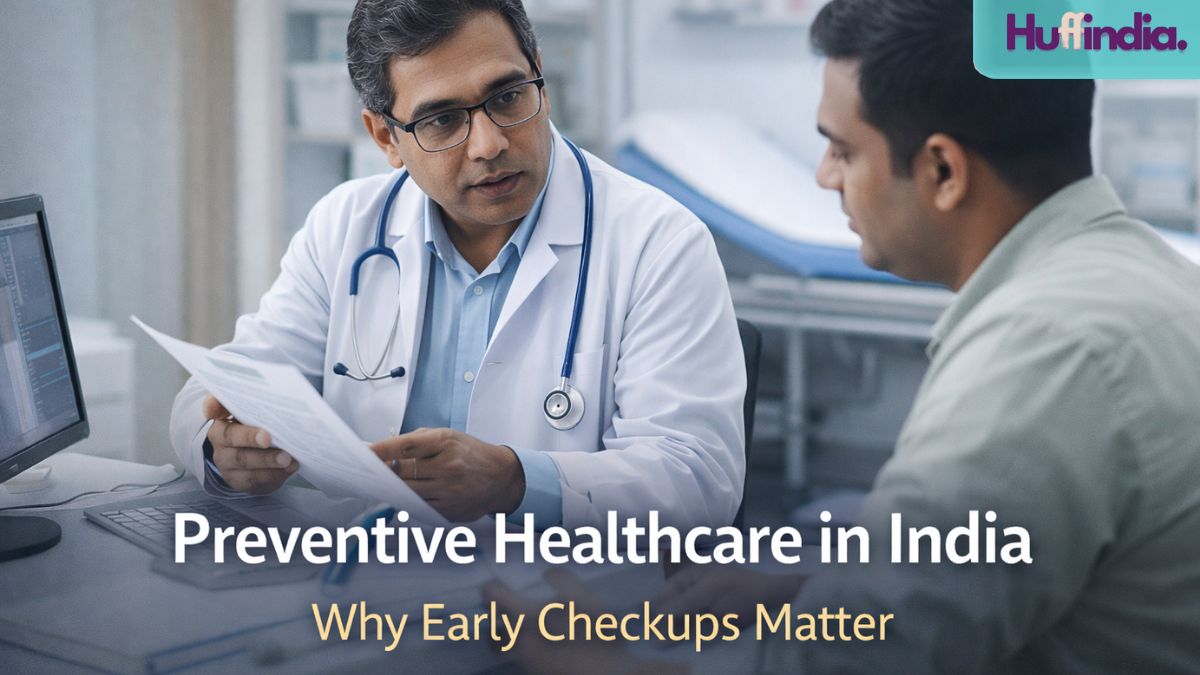



Preventive healthcare in India is gaining renewed attention as doctors and public health experts warn that late diagnosis of common illnesses is driving avoidable health complications and rising medical costs. Medical professionals are increasingly urging citizens to prioritise early health screenings, routine checkups, and lifestyle monitoring instead of relying solely on treatment after symptoms appear.
This shift reflects growing concern over the burden of chronic and lifestyle-related diseases across age groups.
Preventive Healthcare in India: Why the Focus Is Shifting
Doctors say the traditional approach of visiting hospitals only when illness becomes severe is no longer sustainable. Conditions such as diabetes, hypertension, heart disease, and thyroid disorders often develop silently over years.
According to physicians, preventive healthcare in India allows early detection, reducing long-term health risks and treatment expenses. Simple screenings for blood sugar, cholesterol, and blood pressure can significantly improve outcomes when conducted regularly.
Rising Health Risks and Late Diagnoses
Health experts report that a large number of patients are diagnosed at advanced stages, when treatment becomes more complex and costly. Urban lifestyles, stress, poor dietary habits, and lack of physical activity are accelerating health risks.
Doctors warn that ignoring early warning signs places avoidable strain on individuals and the healthcare system. Early intervention, they say, remains the most effective defence.
How Preventive Care Reduces Healthcare Costs
One of the key advantages of preventive healthcare in India is cost efficiency. Regular screenings and lifestyle counselling are significantly less expensive than prolonged hospitalisation or surgical interventions.
Health economists note that preventive care not only improves individual well-being but also reduces pressure on hospitals, insurance systems, and public health resources.
Role of Digital Health and Awareness Campaigns
Digital health platforms, mobile health apps, and telemedicine services are playing an increasing role in promoting preventive care. Many healthcare providers now offer annual health packages that encourage routine testing and follow-ups.
Public awareness campaigns are also focusing on nutrition, exercise, mental health, and stress management to support long-term wellness.
For global best practices on preventive care, the World Health Organization outlines key strategies for reducing non-communicable diseases:
What Doctors Recommend for Preventive Healthcare
Medical professionals advise individuals to:
- Schedule annual health checkups
- Monitor blood pressure and blood sugar regularly
- Maintain balanced diets and physical activity
- Prioritise mental health and adequate sleep
Doctors stress that preventive care should begin early, even among younger populations with sedentary lifestyles.
Why Preventive Healthcare Matters Now
As India’s population continues to urbanise, experts believe preventive healthcare in India will play a critical role in managing future health challenges. Early action can help reduce disease burden, improve life expectancy, and enhance quality of life.
The focus, doctors say, must move from reactive treatment to proactive health management.
Related: Nipah Virus Outbreak India: Urgent Global Warning as Death Toll Rises
Related: World Ayurveda Day 2025: Global Celebration & Health Revolution