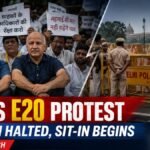
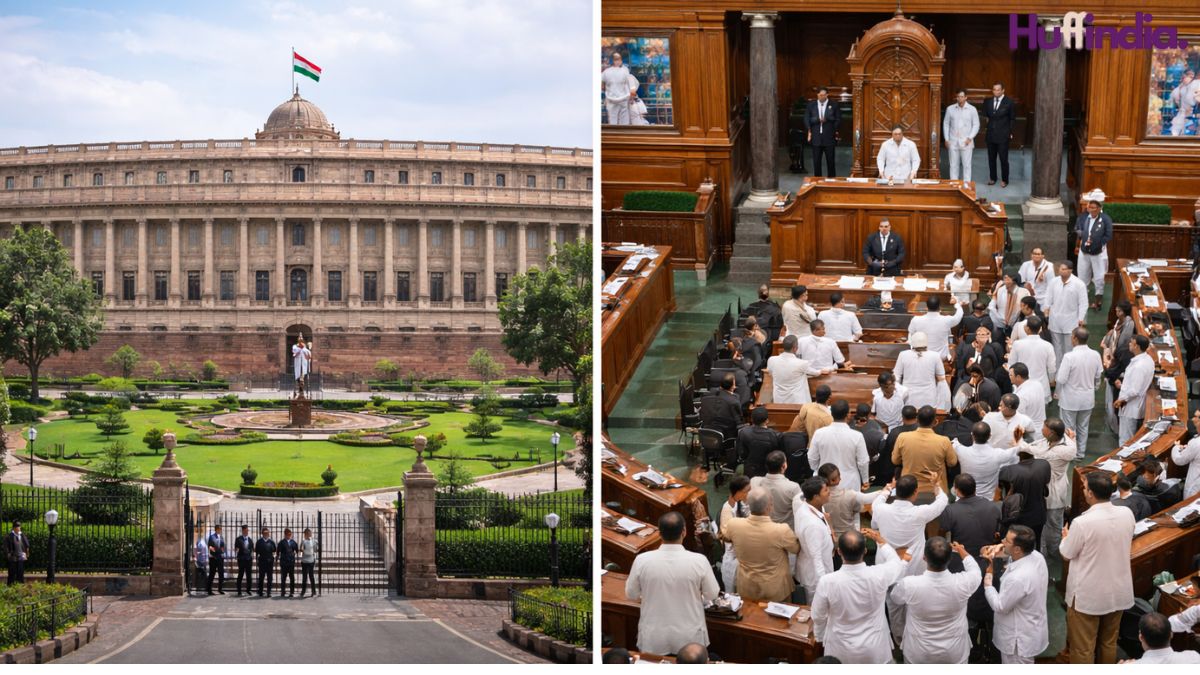



Parliament disruption once again dominated India’s political landscape as proceedings in both Houses were repeatedly interrupted amid sharp exchanges between the ruling coalition and opposition parties. The standoff reflects deepening political divisions over governance priorities, accountability, and the handling of key national issues.
Scenes of adjournments, slogan-shouting, and protests inside Parliament underscored the increasingly confrontational tone of Indian politics, raising questions about legislative productivity during the current session.
Political Tensions Escalate in Parliament
Opposition parties accused the government of avoiding debate on matters they described as critical to public interest, while the treasury benches countered that disruptions were being used as a political strategy rather than a genuine demand for discussion.
The Speaker and Chairman repeatedly appealed for order, urging members to allow the House to function and legislative business to proceed.
Parliament Disruption Highlights Political Tensions in India
The repeated Parliament disruption highlights broader political tensions India is witnessing ahead of crucial electoral and policy milestones. Analysts note that confrontations inside the House often mirror larger political battles playing out across states and at the national level.
Opposition Protest vs Government Agenda
At the heart of the impasse is the clash between opposition protest tactics and the government agenda. While the opposition insists on accountability and transparency, the government maintains that it has a mandate to push forward legislative priorities.
This stalemate has led to delays in debates, committee discussions, and question hour proceedings — key mechanisms through which Parliament scrutinises executive action.
Impact on Legislative Functioning
Frequent disruptions have raised concerns among policy experts and former lawmakers about the long-term impact on parliamentary democracy. Lawmaking, budget discussions, and policy oversight risk being sidelined when sessions are dominated by confrontation rather than deliberation.
Observers point out that shortened sittings reduce opportunities for smaller parties and regional representatives to raise constituency-specific concerns.
Public Perception and Democratic Accountability
For citizens, images of repeated walkouts and adjournments can fuel frustration with the political process. Surveys and public discourse suggest growing concern over whether Parliament is fulfilling its role as the primary forum for democratic debate.
Experts argue that while protest is an essential part of democracy, sustained disruption can weaken institutional credibility and public trust.
Government’s Position
Government leaders have defended their approach, stating that they remain open to discussion but will not allow legislative agendas to be derailed indefinitely. Officials emphasized the need to pass bills related to governance reforms, economic management, and national development.
They also accused opposition parties of prioritizing political messaging over parliamentary responsibility.
Opposition’s Stand
Opposition leaders, meanwhile, insist that raising contentious issues inside Parliament is both legitimate and necessary. They argue that disruption becomes inevitable when formal avenues for discussion are perceived to be restricted.
Several opposition figures have called for structured debates and extended discussions to resolve differences without repeated adjournments.
According to political observers cited in national coverage, parliamentary deadlock has become a recurring feature of Indian politics, reflecting heightened polarization.
What Lies Ahead
As the session continues, attention will remain on whether political leaders can de-escalate tensions and restore normal functioning. Dialogue, compromise, and adherence to parliamentary norms will be crucial in determining whether legislative business can regain momentum.
For now, Parliament disruption remains a defining feature of India’s political moment — symbolizing both democratic contestation and institutional strain.
Related: Youth Voters in India: Why Young Citizens Are Emerging as a Decisive Political Force
Related: India US Sanctions: Trader Linked to Iran Oil Network