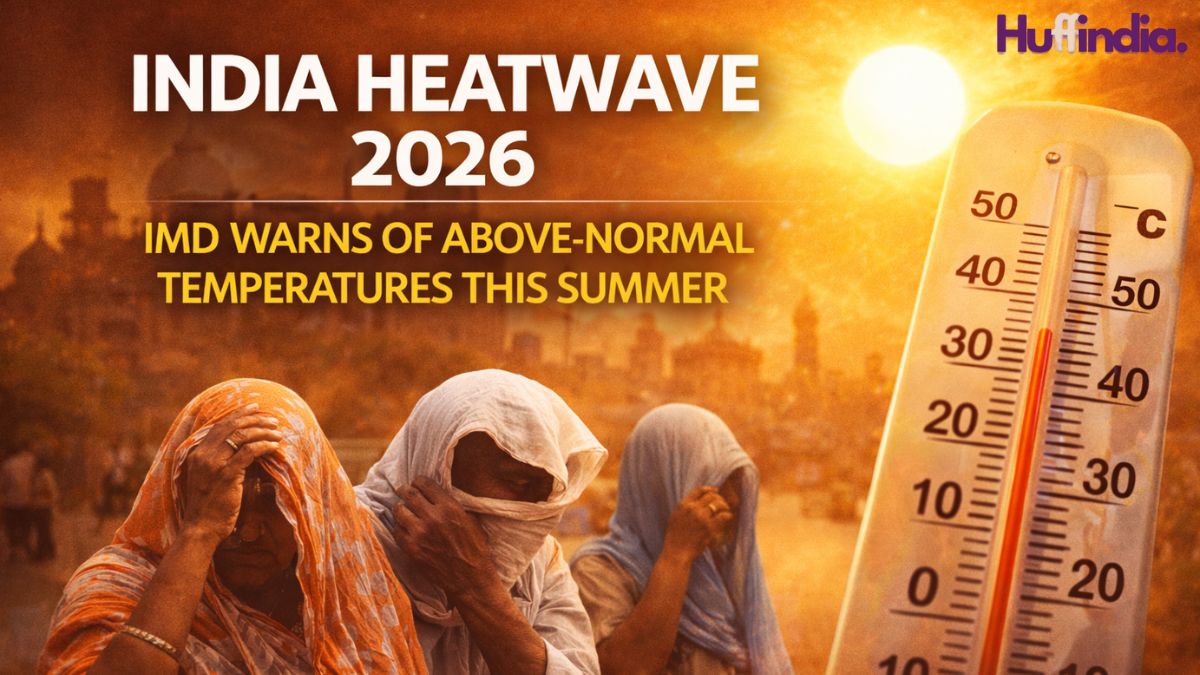



India Heatwave 2026 is trending nationwide after the India Meteorological Department (IMD) issued an early warning of above-normal temperatures across several regions during the March to May summer period.
According to the IMD’s seasonal outlook, large parts of north, central and western India may experience higher-than-average temperatures, with an increased number of heatwave days compared to previous years.
Why India Heatwave 2026 Is Trending
Search queries for “India heatwave 2026″, “summer temperature forecast India”, and “heatwave alert March 2026” have surged since the IMD’s announcement.
The early warning has sparked concern due to:
- Potential health risks
- Impact on agriculture
- Increased power demand
- Water supply stress
Meteorologists have advised state authorities to prepare heat action plans in advance.
For official forecasts:
👉 https://mausam.imd.gov.in
Regions Likely to Be Affected
The India Heatwave 2026 forecast suggests:
- North India may witness prolonged dry spells
- Central India could experience early heatwave onset
- Western states may see above-average daytime temperatures
- Some southern regions may also record elevated temperatures
Urban centres are expected to feel stronger heat stress due to the “urban heat island” effect.
What Is a Heatwave?
The IMD defines a heatwave based on:
- Maximum temperature thresholds
- Deviation from normal seasonal averages
- Duration of extreme heat conditions
When temperatures rise significantly above the long-term average for consecutive days, heatwave alerts are issued.
Impact on Public Health
Health experts warn that the India heatwave in 2026 could increase cases of:
- Heat exhaustion
- Dehydration
- Heatstroke
- Fatigue and dizziness
Vulnerable groups include:
- Elderly individuals
- Children
- Outdoor workers
- People with pre-existing medical conditions
Authorities often recommend staying hydrated, avoiding peak afternoon exposure and wearing light clothing.
Agricultural Concerns
Farmers are particularly concerned about the potential impact of the India heatwave 2026 on crops.
Higher temperatures may:
- Reduce soil moisture
- Affect wheat yields
- Increase irrigation demand
- Stress livestock
Agricultural experts are closely monitoring crop conditions, especially in major wheat-producing states.
Power and Infrastructure Pressure
Rising temperatures typically increase electricity consumption due to higher air-conditioning and cooling demand.
Energy authorities may need to ensure adequate power supply and grid stability during peak summer months.
Water supply systems may also come under pressure if reservoirs experience lower inflows.
Climate Change Context
Climate researchers link increasing frequency and intensity of heatwaves to broader global climate change patterns.
According to reports from the United Nations, rising global temperatures are contributing to more extreme weather events.
For climate information:
👉 https://www.un.org/en/climatechange
Experts suggest that adaptation strategies are becoming increasingly important.
What Citizens Should Do
To cope with the India heatwave of 2026, experts advise:
- Drinking adequate water regularly
- Avoiding outdoor activities during peak afternoon hours
- Wearing loose, light-colored clothing
- Monitoring official weather advisories
- Checking on elderly family members
State governments often issue region-specific advisories during severe heat conditions.
Government Preparedness
Several states have implemented heat action plans that include:
- Public awareness campaigns
- Emergency medical response systems
- Cooling centers
- School timing adjustments
Early forecasting allows authorities to plan preventive measures.
Conclusion
As summer approaches, the India Heatwave 2026 remains a key environmental and public health concern.
With IMD predicting above-normal temperatures, preparedness at both individual and administrative levels will be crucial in minimising health and economic impacts.
Citizens are encouraged to stay informed through official weather updates and follow safety guidelines during peak heat periods.
Further updates are expected as temperature patterns evolve in the coming weeks.
Related: Total Lunar Eclipse 2026 Today: Blood Moon Timings in India
Related: Master India Sudden Weather Changes: Why Multiple States Are on Alert