
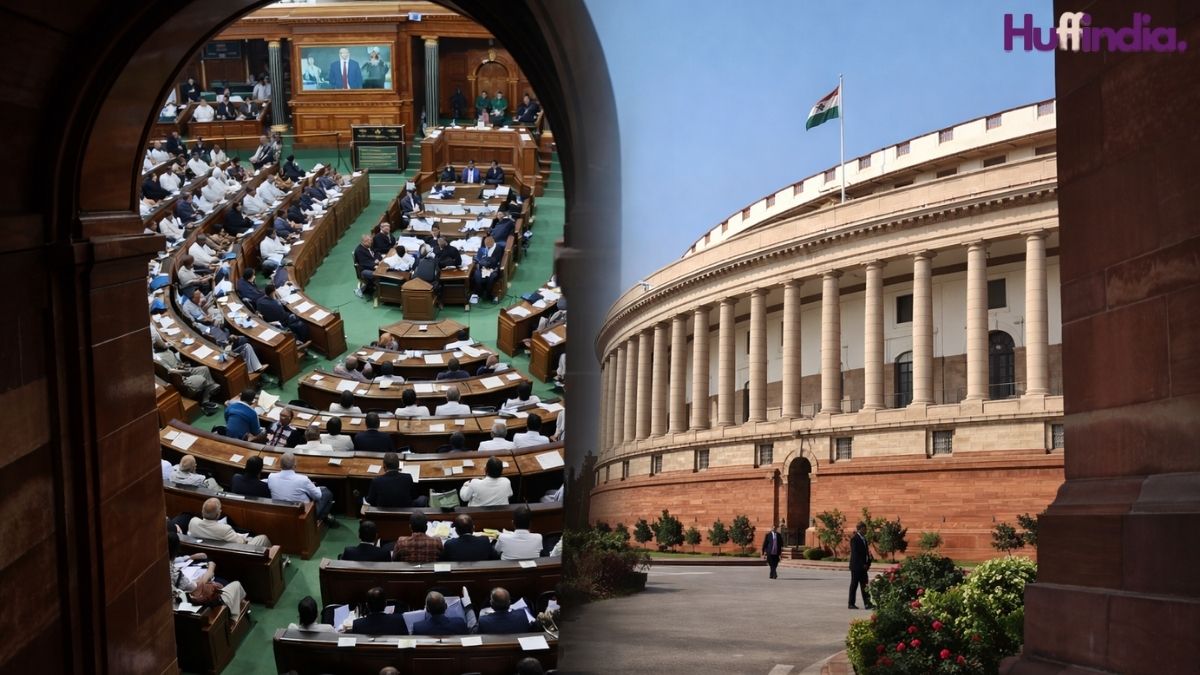



Governance reforms in India have moved back into focus as the central government steps up efforts to improve administrative efficiency while engaging with state governments over fiscal support and policy coordination. Officials say the discussions reflect a broader push to streamline governance structures amid evolving economic and social challenges.
The renewed emphasis comes at a time when states are seeking greater clarity on funding, revenue sharing, and implementation timelines for key national initiatives.
Centre and States Revisit Governance Priorities
Senior officials from the Centre and several states have held consultations aimed at strengthening cooperative federalism. The talks have focused on improving coordination in areas such as infrastructure development, welfare delivery, and regulatory processes.
State leaders have raised concerns over rising expenditure pressures and the need for predictable fiscal flows to support development programs.
Governance Reforms in India and Centre-State Relations
The push for governance reforms in India has highlighted the importance of balanced Centre-state relations, particularly in fiscal and administrative matters. Experts note that effective coordination between different levels of government is essential for policy success and service delivery.
Fiscal Support to States Remains a Key Issue
One of the central themes of the discussions has been fiscal support to states. State governments have emphasized the need for timely fund disbursement and flexibility in using central allocations to address local priorities.
Officials at the Centre, meanwhile, have stressed the importance of fiscal discipline and outcome-based spending to ensure efficient use of public resources.
Administrative Reforms and Efficiency
Beyond fiscal matters, the Centre is pushing administrative reforms in India aimed at reducing red tape and improving ease of governance. Digital platforms, simplified compliance processes, and performance monitoring systems are being expanded to enhance transparency and accountability.
Policy analysts say such reforms could help improve public service delivery while reducing administrative burdens on businesses and citizens.
Political and Policy Context
The discussions on governance reforms are taking place against a backdrop of heightened political engagement between the Centre and states. Analysts suggest that governance outcomes often influence public perception more directly than political rhetoric, making reform efforts politically significant.
At the same time, differences over policy priorities and resource allocation continue to shape Centre-state dynamics.
Impact on Development and Public Services
Improved governance coordination is seen as critical for accelerating infrastructure projects, social welfare schemes, and economic development initiatives. Experts argue that clear policy frameworks and predictable funding can help states plan more effectively and deliver better outcomes.
Citizens, they add, stand to benefit from smoother administrative processes and faster implementation of public programs.
According to coverage of India’s governance and federal relations, sustained dialogue between the Centre and states is essential for managing complex policy challenges.
As consultations continue, attention will be on whether agreements translate into concrete policy adjustments and improved coordination on the ground. Both sides have signaled willingness to engage, though balancing national priorities with state-specific needs remains a challenge.
For now, the renewed focus on governance reforms in India underscores the ongoing effort to strengthen administrative systems and cooperative federalism in a rapidly changing policy environment.
Related: Government Policy India Triggers Mixed Reactions
Related: Diplomatic Tensions Rise as Global Powers Reassess Strategic Alliances