
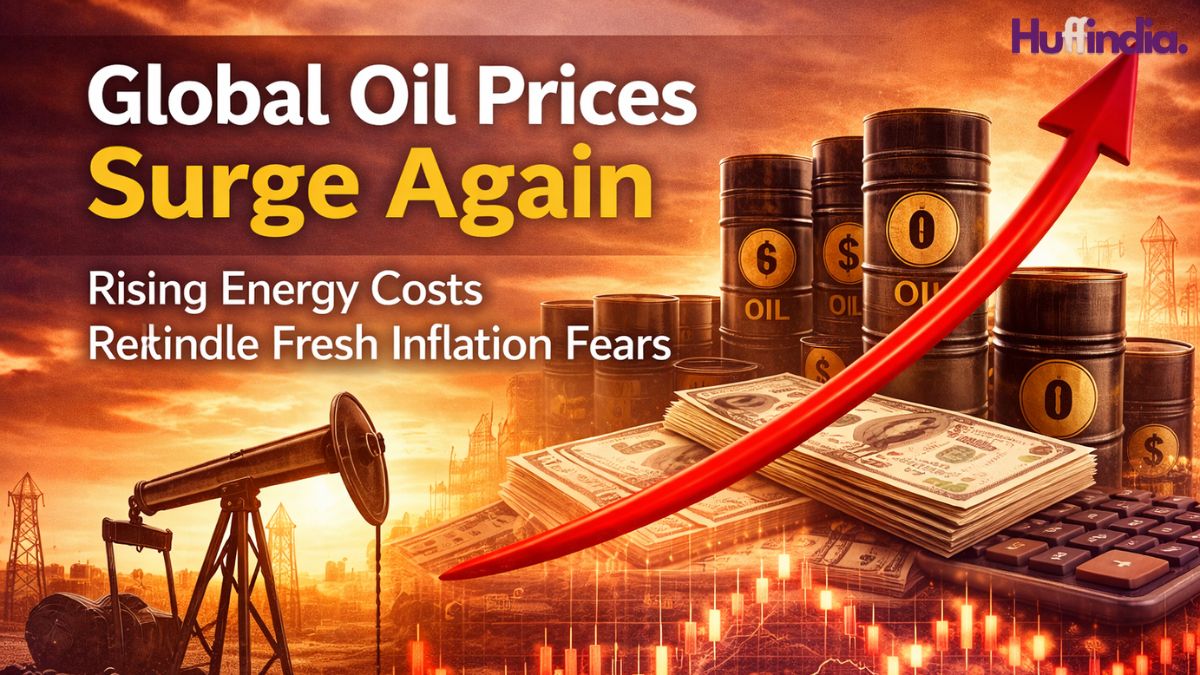



Global oil prices moved sharply higher overnight, reigniting concerns about inflationary pressure and economic stability across major markets. The sudden upswing has unsettled investors, policymakers, and consumers alike, as energy costs once again threaten to ripple through supply chains and household budgets.
Market analysts say the latest oil price surge reflects a fragile global energy balance shaped by geopolitical tensions, supply uncertainties, and seasonal demand pressures. While energy markets have faced repeated shocks in recent years, the renewed volatility has raised fears of a prolonged period of instability.
What Is Driving the Latest Oil Price Surge
Several overlapping factors are pushing global oil prices upward. Supply disruptions linked to geopolitical developments in key producing regions have tightened availability, while production discipline among major exporters has limited additional output.
At the same time, winter demand across parts of Europe and Asia has increased fuel consumption, adding strain to already stretched supplies. Traders point to rising freight costs and refinery bottlenecks as contributing to ongoing energy market volatility.
“The market is extremely sensitive right now,” said an energy analyst based in Singapore. “Even minor disruptions are triggering outsized price reactions.”
Inflation Pressure Returns to the Spotlight
The rise in crude prices has renewed concerns about inflation pressure, particularly in economies still recovering from previous price shocks. Higher fuel costs tend to cascade into transportation, food, and manufacturing expenses, affecting consumers far beyond the energy sector.
Central banks, which have worked aggressively to control inflation, are watching developments closely. Economists warn that persistent increases in global oil prices could complicate interest rate decisions and delay economic easing plans.
For emerging economies, the impact may be more severe, as higher import bills strain foreign exchange reserves and fiscal balances.
Impact on Markets and Consumers
Equity markets reacted cautiously as investors assessed the implications of renewed energy market volatility. Energy stocks saw modest gains, while transport and consumer goods sectors faced selling pressure.
For consumers, the concern lies in the potential knock-on effects. Rising fuel prices often translate into higher electricity tariffs, costlier logistics, and eventually increased retail prices — a familiar pattern during previous phases of the global energy crisis.
Transport operators and manufacturers have already signalled the possibility of revising pricing structures if the current trend persists.
Governments and Energy Agencies Respond
Governments across major economies are monitoring the situation closely. Strategic petroleum reserves remain a potential tool, though officials are cautious about deploying them prematurely.
According to assessments by the International Energy Agency (IEA), global energy markets remain vulnerable to shocks due to limited spare capacity and uneven recovery patterns.
“As noted by the International Energy Agency (IEA), tight supply conditions continue to make global energy markets vulnerable to sudden disruptions.”
Are We Heading Toward Another Energy Crisis?
While experts stop short of predicting a full-scale global energy crisis, many agree that risks are rising. The combination of geopolitical uncertainty, climate-related disruptions, and underinvestment in traditional energy infrastructure has reduced the margin for error.
Energy economists argue that diversification and long-term transition planning are essential to reducing future shocks. However, in the short term, markets remain exposed to sudden swings in global oil prices.
What Lies Ahead
Much will depend on geopolitical developments, production decisions by major exporters, and demand trends over the coming weeks. If supply constraints persist, the current oil price surge could harden into a sustained trend.
For now, uncertainty dominates. Investors, governments, and consumers alike are bracing for the possibility that energy-driven inflation pressure may once again shape the global economic narrative.
A Familiar Warning Signal
Energy has long acted as a pressure point in the global economy. The latest movement in global oil prices serves as a reminder that energy stability remains fragile — and that its impact reaches far beyond fuel pumps and power grids.
As markets digest the latest developments, attention will remain fixed on whether this surge proves temporary or signals deeper structural stress.
Related: Indian Oil LNG Tender for January 2026 energy demand
Related: Oil Prices Surge 3% as U.S. Sanctions Hit Russia