
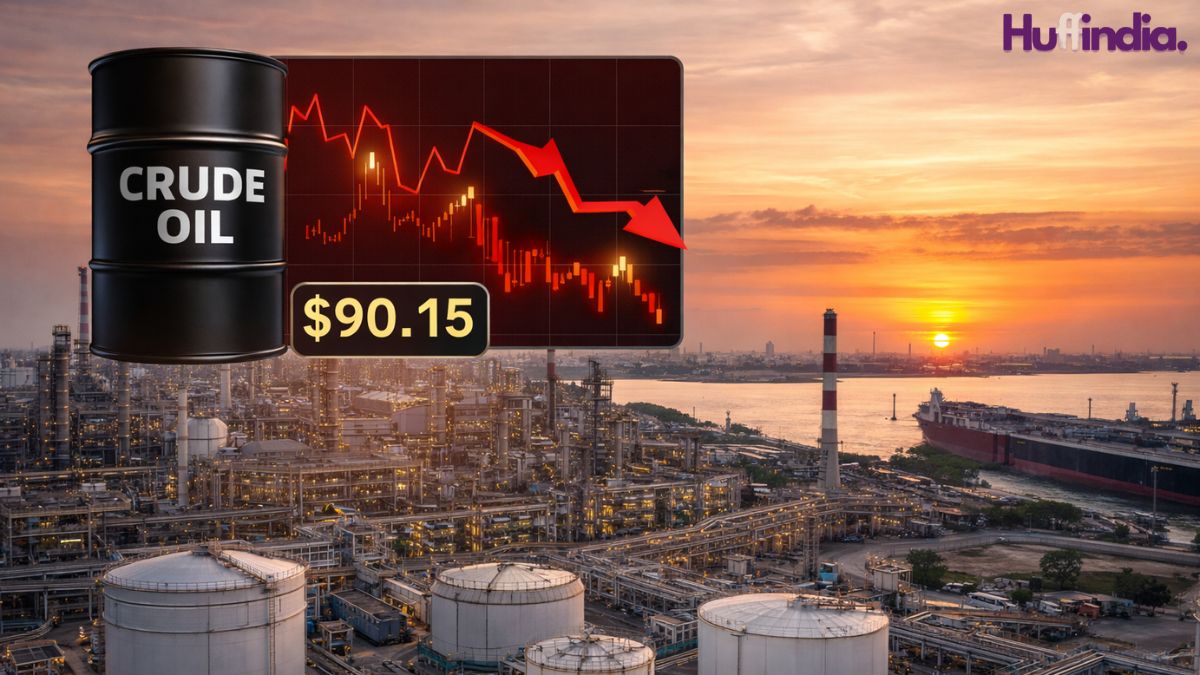



New Delhi: Global oil prices India concerns are rising again as international crude markets witness renewed volatility due to geopolitical tensions and supply uncertainties.
India, the world’s third-largest oil importer, remains highly sensitive to fluctuations in crude markets. Analysts say that global oil prices and Indian trends could influence fuel costs, inflation, and the country’s trade balance in the coming months.
With international crude markets reacting to geopolitical developments, policymakers and energy experts are closely monitoring how global oil prices in India may shape the broader economic outlook.
Global Oil Prices: India’s Impact on Energy Markets
The recent surge in global oil prices and India’s concerns have been triggered by instability in major oil-producing regions and disruptions in supply chains.
The international benchmark Brent Crude has experienced noticeable fluctuations in recent weeks as traders react to global developments affecting production and shipping routes.
For India, which imports nearly 85 percent of its crude oil needs, rising global oil prices and Indian trends can quickly translate into higher import bills and economic pressure.
Energy experts say that sustained increases in global crude prices could have ripple effects across transportation, manufacturing, and logistics sectors.
How Global Oil Prices India Affect Fuel and Inflation
The global oil prices in India directly influence the domestic petrol and diesel prices.
Higher crude costs increase fuel prices, which in turn raise transportation and logistics expenses. These costs often pass through to consumers, contributing to inflation in food, goods, and services.
Economists say the global oil price trends in India remain one of the most critical factors affecting inflation management and fiscal planning in the country.
Government policymakers therefore monitor crude price movements closely to maintain economic stability.
India’s Oil Import Dependence
India’s heavy reliance on imported energy makes global oil prices in India a key economic indicator.
The country imports crude oil from several major suppliers across the Middle East, Africa, and the United States. Any disruption in supply routes or geopolitical tensions can therefore affect India’s energy costs.
According to the Ministry of Petroleum and Natural Gas, India, India’s energy demand continues to grow alongside economic expansion and rising industrial activity.
More information about India’s energy policies and crude supply strategy can be accessed on the official website:
Strategic Reserves Help Manage Global Oil Prices India Risks
To reduce vulnerability to international shocks, the government has developed strategic petroleum reserves.
These reserves are designed to provide temporary relief during supply disruptions or extreme volatility in global oil prices in Indian scenarios.
Experts believe strategic reserves help stabilise the domestic fuel supply during short-term global crises.
However, long-term energy security will depend on diversifying energy sources and reducing reliance on imported fossil fuels.
Renewable Energy Could Reduce Global Oil Prices India’s Pressure
India is increasingly investing in renewable energy projects to reduce exposure to global oil prices and India’s volatility.
Government initiatives promoting solar energy, wind power, and green hydrogen aim to create a more resilient energy system.
Analysts believe that expanding renewable energy capacity will gradually reduce India’s dependence on imported oil.
If these initiatives succeed, the country could significantly reduce the economic impact of global oil prices India fluctuations in the future.
Related: Petrol Diesel Price Today on 12th Feb 26: Latest Fuel Rates in Major Cities
Related: Fuel Prices Hold Steady as Global Oil Trends Remain Volatile