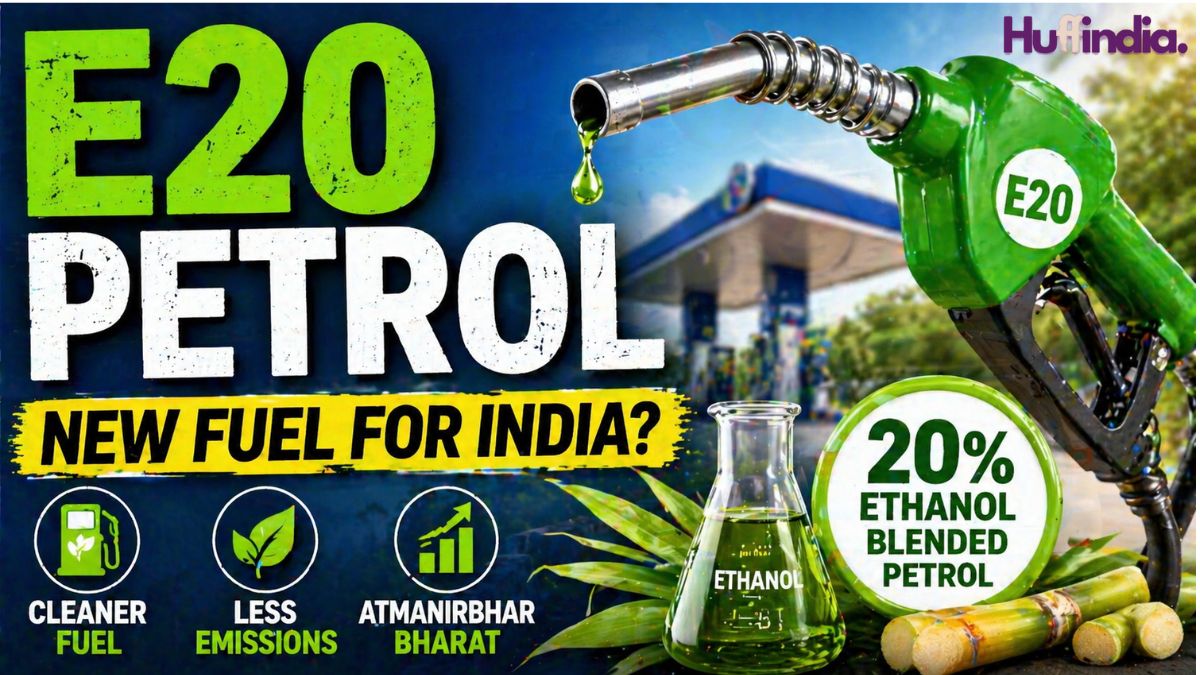



The shift toward ethanol petrol India 2026 is gaining attention as the government continues to promote cleaner and more sustainable fuel options. The introduction of E20 fuel India, which contains up to 20% ethanol blended with petrol, is part of a broader strategy to reduce dependence on imported crude oil.
Ethanol blending has been gradually increasing in India over the past few years, and the move toward higher blending levels is expected to play a role in both environmental and economic planning.
The transition is part of initiatives guided by the Ministry of Petroleum and Natural Gas, which focuses on increasing ethanol blending in fuel.
What Is E20 Fuel India?
E20 fuel India refers to petrol blended with 20% ethanol, a biofuel typically derived from sugarcane, grains, or other agricultural sources. The initiative is supported by policies from the Government of India aimed at promoting renewable energy sources.
Ethanol-blended fuels are considered cleaner alternatives compared to conventional petrol, as they may help reduce certain emissions.
ethanol petrol India 2026: Compatibility Explained
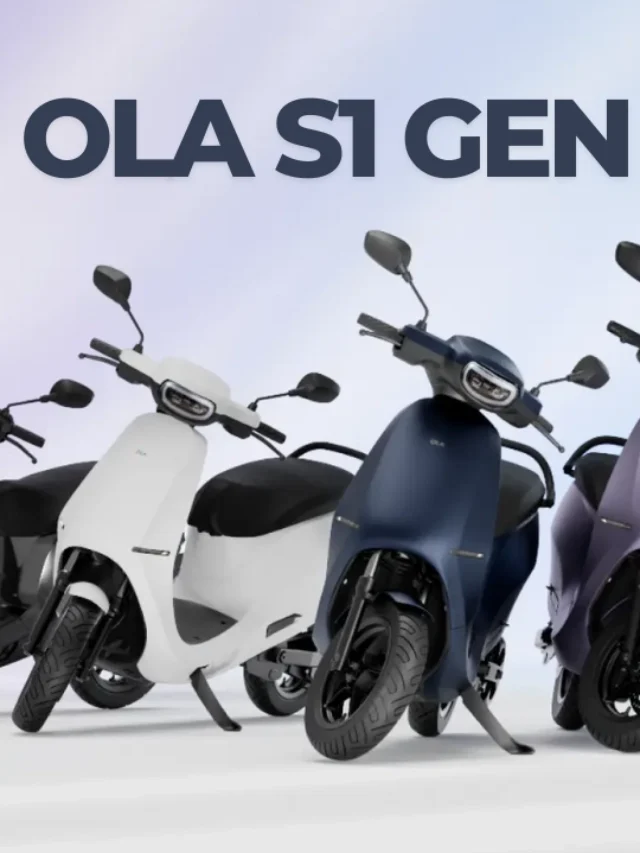
One of the key concerns around E20 petrol vehicles is compatibility. Not all vehicles are currently designed to run efficiently on higher ethanol blends.
Automobile manufacturers have started introducing E20-compatible engines, but older vehicles may require adjustments or may continue using lower ethanol blends as recommended by manufacturers.
Vehicle owners are advised to check official guidelines from manufacturers before switching to E20 fuel.
Ethanol Blended Petrol Benefits
The push toward ethanol blended petrol benefits includes several potential advantages:
- Reduced dependence on imported fossil fuels
- Support for agricultural sectors producing ethanol
- Potential reduction in certain emissions
However, the overall impact may vary depending on vehicle type, usage, and fuel quality.
Ethanol Fuel Policy India: What’s Driving the Shift
The ethanol fuel policy is part of a broader effort to promote energy security and sustainability. Government initiatives aim to increase ethanol blending levels over time through coordinated efforts between oil companies, farmers, and industry stakeholders.
Oil marketing companies such as Indian Oil Corporation are involved in the distribution and implementation of ethanol-blended fuels across the country.
What This Means for Consumers
For consumers, the transition to ethanol-blended fuel may not bring immediate visible changes but could gradually influence fuel availability and vehicle compatibility.
Fuel pricing may continue to depend on multiple factors, including global crude oil trends, taxation policies, and blending costs.
Final Takeaway
The move toward ethanol petrol India 2026 and wider adoption of E20 fuel India reflects India’s long-term approach toward sustainable energy. While the transition is gradual, understanding fuel compatibility and policy direction can help consumers stay informed.
Stay informed with HuffIndia’s in-depth coverage of breaking news, technology updates, viral trends, and national developments. Explore the latest stories and stay ahead with real-time updates from India and around the world.