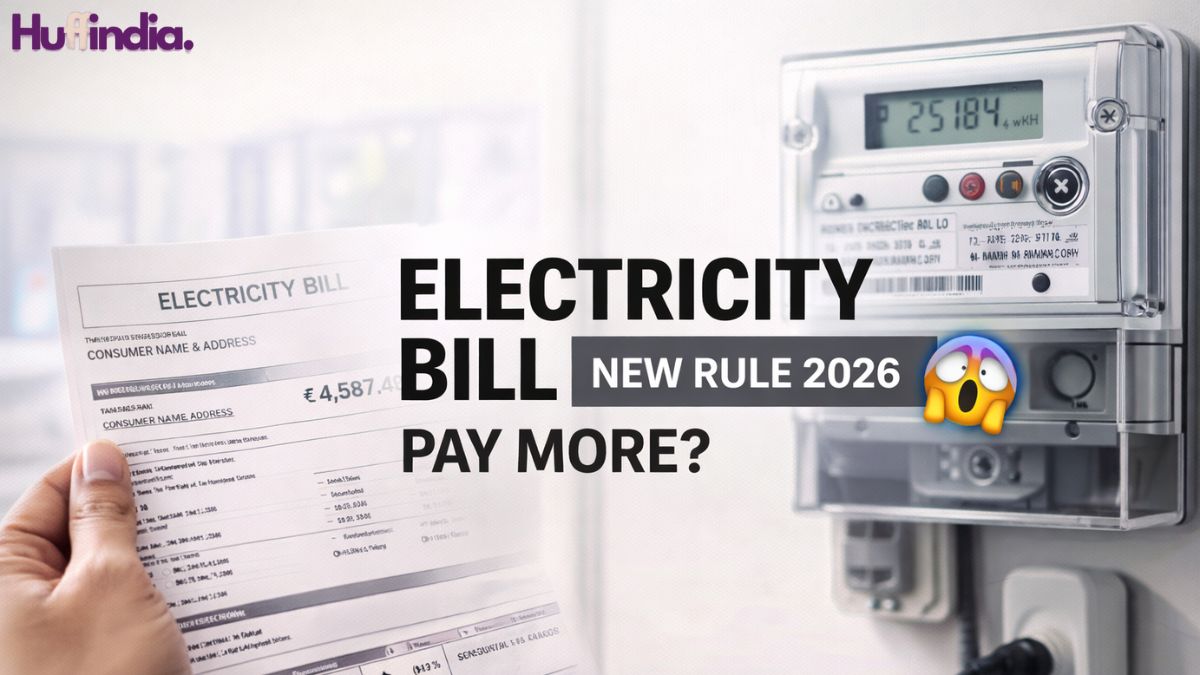



The Electricity Bill New Rule 2026 is set to bring significant changes to how consumers across India are charged for electricity usage. With rising power demand and increasing pressure on energy infrastructure, authorities are introducing a revised tariff system and modern billing practices aimed at improving efficiency and transparency.
The move comes at a time when households and businesses are already facing higher living costs, making electricity pricing a critical concern for millions.
Electricity Bill New Rule 2026: What Exactly Has Changed
Under the Electricity Bill New Rule 2026, several key changes have been proposed and implemented across different states and power distribution companies.
One of the biggest changes is the revision of slab-based tariff systems, where electricity rates increase progressively with higher usage. This means consumers using more electricity will pay significantly higher charges compared to those who consume less.
Another major update is the introduction of peak-hour tariffs, where electricity used during high-demand periods—typically in the evening—may be charged at a higher rate. This is aimed at reducing pressure on the power grid.
In addition, smart meter-based billing systems are being expanded, allowing real-time tracking of electricity usage. These meters provide more accurate readings and eliminate the need for manual meter checks.
How Electricity Bill New Rule 2026 Will Impact Consumers
The Electricity Bill New Rule 2026 is expected to have a mixed impact depending on usage patterns.
For heavy electricity users, monthly bills may increase due to higher slab rates and peak-hour charges. Households with multiple appliances such as air conditioners, geysers and heavy electronics are likely to see a noticeable rise in costs.
On the other hand, consumers who manage their electricity usage efficiently may benefit from better control over their bills. Smart meters will allow users to monitor consumption in real-time and adjust usage accordingly.
For middle-class families, the biggest challenge will be adapting to new billing patterns and avoiding peak-hour usage to keep costs under control.
Why Government Introduced Electricity Bill New Rule 2026
The Electricity Bill New Rule 2026 is part of broader reforms aimed at modernizing India’s power sector.
One of the main objectives is to reduce electricity wastage and promote responsible usage. By introducing peak pricing, authorities aim to spread out electricity demand more evenly throughout the day.
Another reason is to improve billing transparency. Traditional billing systems often led to disputes due to estimated readings or manual errors. Smart meters aim to eliminate these issues by providing accurate and real-time data.
The reform also supports India’s long-term goal of building a smart energy infrastructure, where digital systems play a key role in managing power distribution efficiently.
Smart Meters: The Biggest Game Changer
A key highlight of the Electricity Bill New Rule 2026 is the rapid rollout of smart meters.
These devices allow:
- Real-time electricity usage tracking
- Prepaid billing options
- Remote monitoring by power companies
- Instant alerts for high consumption
Smart meter rollout is part of national initiatives like Revamped Distribution Sector Scheme (RDSS) to modernize power infrastructure.
Tips to Reduce Electricity Bills in 2026
With the new rules in place, experts recommend adopting smart usage habits to avoid high bills:
- Use heavy appliances during non-peak hours
- Switch to energy-efficient devices (5-star rated appliances)
- Turn off unused electronics
- Monitor daily usage through smart meter apps
- Avoid overuse of air conditioners and heaters
Small lifestyle changes can significantly reduce monthly expenses.
Consumers can learn about energy-saving practices from Bureau of Energy Efficiency (BEE) guidelines.
What Experts Are Saying
Energy experts believe the Electricity Bill New Rule 2026 is a necessary step towards a sustainable power system.
They highlight that while initial costs may rise for some users, the long-term benefits include better energy management, reduced outages and improved infrastructure.
However, they also stress the need for proper awareness campaigns so that consumers can understand and adapt to the new billing system effectively.
Conclusion
The Electricity Bill New Rule 2026 marks a major shift in how electricity is consumed and billed in India. While it introduces new challenges, especially in terms of higher tariffs and peak-hour pricing, it also offers opportunities for smarter energy use and better cost control.
Consumers who stay informed and adjust their usage habits will be better positioned to manage their electricity expenses in the coming years.
At the same time, people are closely tracking salary hike trends to balance increasing expenses.
Rising household costs, including new credit card charges, are adding to financial pressure on consumers.