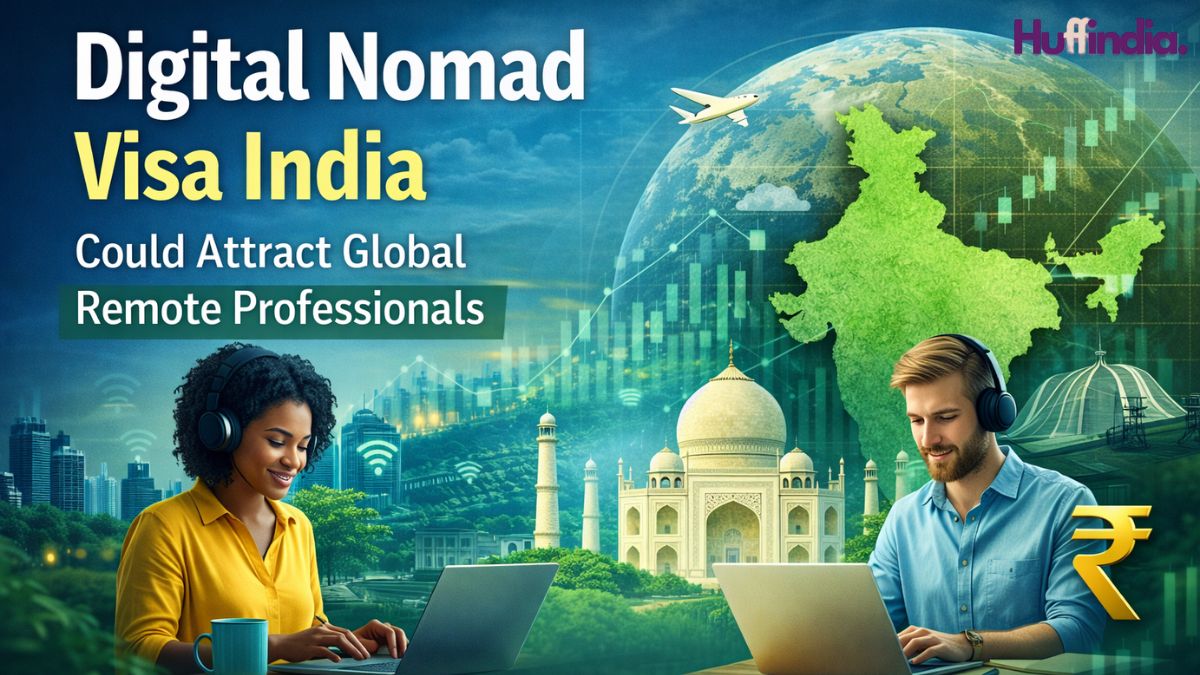



Digital Nomad Visa India is emerging as a widely discussed policy idea as countries across the world compete to attract global talent in an increasingly remote-first economy. With millions of professionals now working location-independently, India’s potential entry into the digital nomad visa space could significantly reshape its tourism, startup ecosystem, and global workforce positioning.
What Is a Digital Nomad Visa?
A digital nomad visa allows foreign professionals to legally live in a country while working remotely for employers or clients based outside that country. Over 50 nations—including Portugal, Estonia, and Indonesia—have already introduced such visas to boost local economies without straining domestic job markets.
If implemented, digital nomad visa India could enable skilled professionals such as software developers, designers, consultants, and entrepreneurs to live in India while continuing their global careers.
Why India Is Considering the Move
India is uniquely positioned to benefit from remote workers. The country offers a strong digital infrastructure, competitive cost of living, and a globally connected startup ecosystem. Cities like Bengaluru, Hyderabad, Goa, and parts of Himachal Pradesh have already become informal hubs for remote professionals.
Policy analysts suggest that a structured remote work visa India framework could:
- Increase long-stay tourism revenue
- Support local businesses and co-working spaces
- Enhance India’s image as a global digital economy hub
As remote work becomes mainstream, governments are adapting immigration systems to match changing professional realities.
Economic and Social Impact
From an economic perspective, the inflow of high-spending digital professionals could provide sustained benefits beyond traditional tourism seasons. Unlike short-term tourists, digital nomads rent homes, use local services, and integrate into community economies.
Experts believe the India digital economy could gain indirectly through collaboration, mentorship, and knowledge exchange between foreign professionals and Indian startups. This spillover effect has already been observed in countries that launched early digital nomad programmes.
However, policymakers are also expected to carefully balance benefits with concerns around housing costs, local infrastructure, and compliance with tax regulations.
What It Means for Indian Cities
Certain regions are likely to benefit more than others. Coastal destinations and hill states—already popular with long-term visitors—could see a formal boost if visa clarity improves. Urban centres with strong internet connectivity and co-working ecosystems may also attract professionals seeking business-friendly environments.
The concept aligns closely with India’s broader push toward innovation-led growth and digital services expansion.
Global Context and Competition
As nations compete for mobile professionals, India’s policy timing will be critical. Countries offering clear guidelines, fast processing, and flexible tax rules are currently leading the race.
For context on how digital nomad visas operate globally, official guidance from the European Union highlights common eligibility models and regulatory practices:
India’s ability to design a transparent, well-regulated system will determine its competitiveness in this space.
Challenges Ahead
While the idea is promising, challenges remain. Tax residency rules, visa duration, and sector eligibility will need careful structuring. Authorities will also have to ensure that global remote workers in India do not unintentionally violate local employment or taxation laws.
Immigration experts emphasize that clarity and simplicity will be key to building trust among international professionals.
The Road Forward
If executed well, the digital nomad visa India policy could position the country as a preferred destination for global talent seeking affordability, cultural depth, and professional flexibility. Beyond tourism, it could strengthen India’s soft power and reinforce its role in the global digital workforce.
As discussions continue, stakeholders across government, industry, and travel sectors are watching closely. The move could mark a strategic shift in how India engages with the future of work.
Related: India resumes tourist visas for Chinese citizens after 5year
Related: Top Tech Firms Lead H-1B Visas in H1 2025