
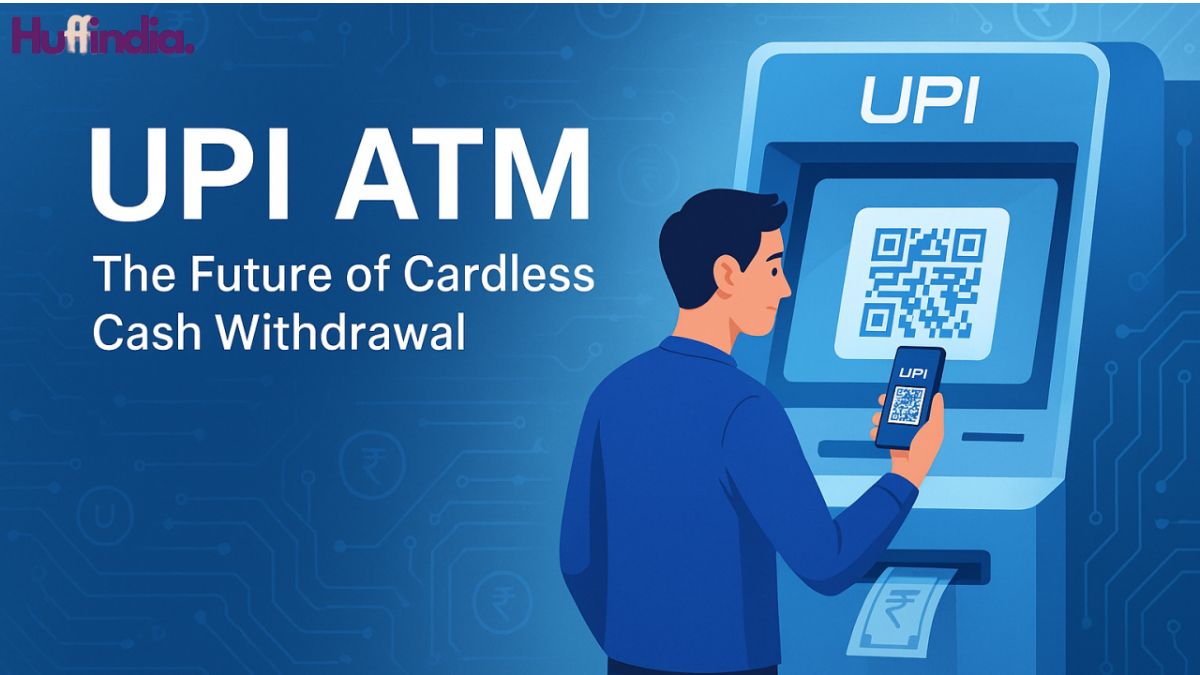



ATM cash withdrawal rules continue to be a key concern for bank customers across India as rising digital payments coexist with steady demand for physical cash. While many transactions have shifted online, ATMs remain essential—particularly in smaller towns, semi-urban areas and for senior citizens.
Banks and regulators periodically review ATM policies to balance customer convenience, operational costs and system efficiency. Understanding the current rules can help customers avoid unexpected charges.
What Are the Current ATM Cash Withdrawal Rules
Under existing guidelines, bank customers are entitled to a fixed number of free ATM transactions each month. These include both financial transactions (cash withdrawals) and non-financial transactions (such as balance enquiries).
Once the free limit is exceeded, banks are permitted to levy charges per transaction.
ATM Withdrawal Limit: How Much Cash Can You Take Out
The ATM withdrawal limit varies depending on the bank, account type and customer profile. In most cases:
- Daily cash withdrawal limits range between ₹20,000 and ₹50,000
- Premium or business accounts may offer higher limits
- Limits can differ for metro and non-metro locations
Customers can check their personalised limits via mobile banking apps or bank statements.
Free ATM Transactions: What You’re Entitled To
Typically, customers are allowed:
- Five free ATM transactions per month at their own bank’s ATMs
- A limited number of free transactions at other banks’ ATMs, depending on location
Both cash withdrawals and balance checks are counted within this limit in many cases.
ATM Withdrawal Charges: What Happens After the Free Limit
Once free transactions are exhausted, ATM withdrawal charges apply. Banks usually charge a fixed fee per transaction, which includes:
- A withdrawal fee
- Applicable taxes
These charges are automatically debited from the customer’s account.
Why ATM Charges Exist
Banking experts explain that ATM networks involve operational costs, including cash handling, security, maintenance and network connectivity. Charges beyond the free limit are intended to offset these expenses.
Regulators say the system ensures basic access remains free while discouraging excessive usage.
Impact on Customers
For customers who rely heavily on cash, especially in areas with limited digital acceptance, ATM charges can add up over time. Financial advisors recommend planning withdrawals to minimise transaction frequency.
Using fewer, larger withdrawals within permitted limits can help reduce costs.
What Banks Have Advised Customers
Banks encourage customers to:
- Track monthly ATM usage
- Use digital payments where possible
- Check bank notifications for changes in limits or charges
Mobile banking apps often provide real-time transaction counts.
Role of the Regulator
The Reserve Bank of India oversees banking policies and issues guidelines to ensure fairness and transparency. Any changes to ATM rules are typically communicated through banks following regulatory review.
How to Avoid Unnecessary ATM Fees
Experts suggest:
- Using your own bank’s ATM
- Withdrawing cash strategically
- Monitoring free transaction counts
- Reviewing bank alerts regularly
Awareness helps customers manage expenses more efficiently.
Where to Check Official ATM Guidelines
For verified information on ATM usage policies and banking rules, customers should rely on official regulatory and bank websites.
Related: Fact Check: Viral Bank Rule Claim Misleads Customers: Here’s the Truth
Related: Hidden Bank Charges Explained: How Small Fees Drain Savings Over Time